 (Image via
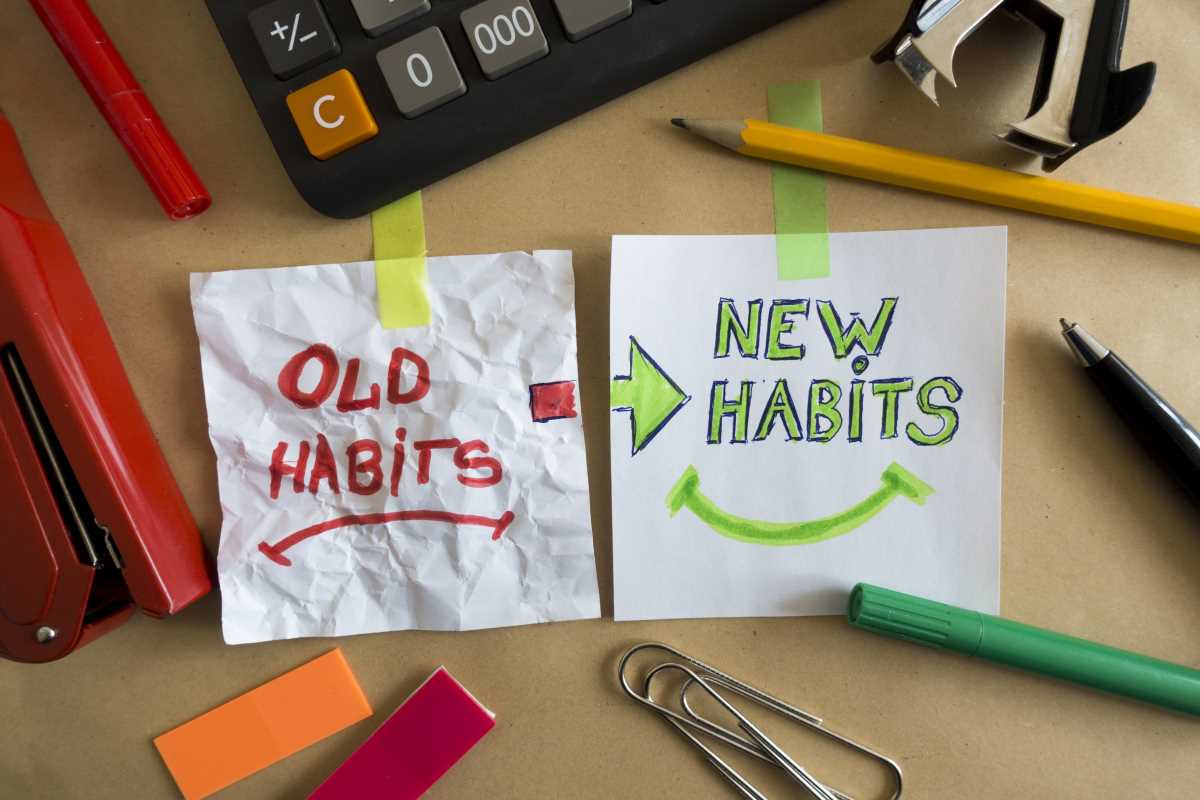
Everyone knows that sudden burst of energy when you decide to change your life. You buy new running shoes, fill the fridge with vegetables, and make a plan to wake up early every single day. It feels amazing for the first week. Then, real life happens. You miss a workout, eat a heavy meal, or hit snooze on the alarm. Suddenly, that fire goes out, and you find yourself back where you started. This cycle is completely normal. Motivation is an emotion, and like happiness or sadness, it comes and goes. Relying on that feeling alone is a recipe for quitting. The secret isn't finding more willpower; it is building habits that keep you moving even when you are tired or bored. By changing small parts of your daily routine, you can create a system that keeps you on track without needing constant inspiration.
Start with Tiny Steps
Big goals can be scary. When you look at a huge mountain you have to climb, it makes sense to feel frozen. Most people try to change everything at once, which usually leads to burnout. A better approach is to focus on micro-habits. These are actions so small that they feel almost too easy.
Instead of aiming to run five miles, commit to putting on your running shoes. Instead of promising to read a whole book a week, read one page a night. These tiny actions bypass the brain's fear of difficulty. Once you start, it becomes much easier to keep going. The hardest part of any task is simply beginning. By lowering the barrier to entry, you make success the default outcome rather than a struggle.
Stack New Habits onto Old Ones
Your brain already runs on autopilot for much of the day. You brush your teeth, make coffee, and check your phone without really thinking about it. You can use this to your advantage through a method called habit stacking. This involves attaching a new habit to one that already exists.
The formula is simple: "After I do [current habit], I will do [new habit]." For example, after you pour your morning coffee, you will drink a glass of water. After you take off your work shoes, you will change into gym clothes immediately. This creates a mental trigger. Your brain starts to associate the old action with the new one, making it easier to remember and execute. You stop relying on memory or willpower and start relying on a natural sequence of events.
Design Your Surroundings
Your environment dictates your behavior more than you might realize. If you want to eat healthier, but your counter is covered in bags of chips, you will eventually eat the chips. Willpower is like a battery; it drains throughout the day. If you have to fight your environment constantly, that battery dies fast.
Make the good habits easy and the bad habits hard. If you want to work out in the morning, lay out your clothes the night before. If you want to drink more water, keep a full bottle on your desk. Conversely, add friction to the habits you want to break. Unplug the TV if you watch too much, or delete social media apps from your phone. You want to shape your space so that doing the right thing takes the least amount of effort.
Track Your Progress Visually
It can be hard to stick with a plan when you don't see immediate results. Health and wellness changes often take weeks or months to show up in the mirror. This is where visual tracking helps significantly. Using a habit tracker, a calendar, or a simple journal gives you immediate satisfaction.
Every time you complete your habit, mark an X on the calendar. After a few days, you will have a chain of X's. Your only goal then becomes not breaking the chain. This simple visual cue provides a sense of accomplishment right now, rather than waiting for long-term results. It shifts your focus from the distant finish line to the daily process. Seeing your consistency on paper proves to yourself that you are becoming the person you want to be.
Focus on Identity Instead of Outcomes
Many people focus on what they want to achieve, like losing twenty pounds or running a marathon. A more powerful shift is to focus on who you want to become. True behavior change happens at the level of identity.
Instead of saying "I need to go for a run," tell yourself "I am a runner." Runners run, so it is just what you do. Instead of saying "I want to read," say "I am a reader." When you view your habits as proof of your identity, sticking to them feels less like a chore and more like an affirmation of who you are. Every time you choose a salad over fries, you are casting a vote for the healthy person you are becoming. This mental switch helps motivation last because you aren't just chasing a result; you are building a new version of yourself.
Embrace Rest and Recovery
It might sound strange, but rest is a big part of motivation. If you push yourself too hard without a break, you will burn out. Physical and mental exhaustion are the enemies of consistency. When you are tired, your self-control drops, and it becomes much harder to make good choices.
Schedule your downtime just like you schedule your work or exercise. Good sleep, relaxation, and time away from goals allow your battery to recharge. When you feel fresh, tackling difficult tasks feels manageable. Viewing rest as a necessary part of the process, rather than a sign of laziness, helps you maintain energy over the long haul.