 (Image via
When your joints ache, stiffen up, and throb with every movement, the very last thing you probably want to do is exercise. Your instinct is likely to curl up on the couch with a heating pad and stay as still as possible. It makes sense—if moving hurts, why would you do more of it? However, this natural reaction can actually make the problem worse. Arthritis is a condition that affects millions of people, turning simple tasks like opening a jar or walking down the stairs into painful hurdles. While rest is important during a flare-up, staying sedentary long-term can lead to stiffer joints and weaker muscles. Surprisingly, moving your body is often the most effective medicine for arthritis pain. It sounds backward, but getting up and getting active is one of the kindest things you can do for your sore joints. By understanding how your joints work and choosing the right activities, you can break the cycle of pain and get back to doing the things you enjoy.
Why Do Joints Hurt?
To understand why exercise helps, we first need to look at what arthritis does to the body. There are many types of arthritis, but the two most common are osteoarthritis and rheumatoid arthritis.
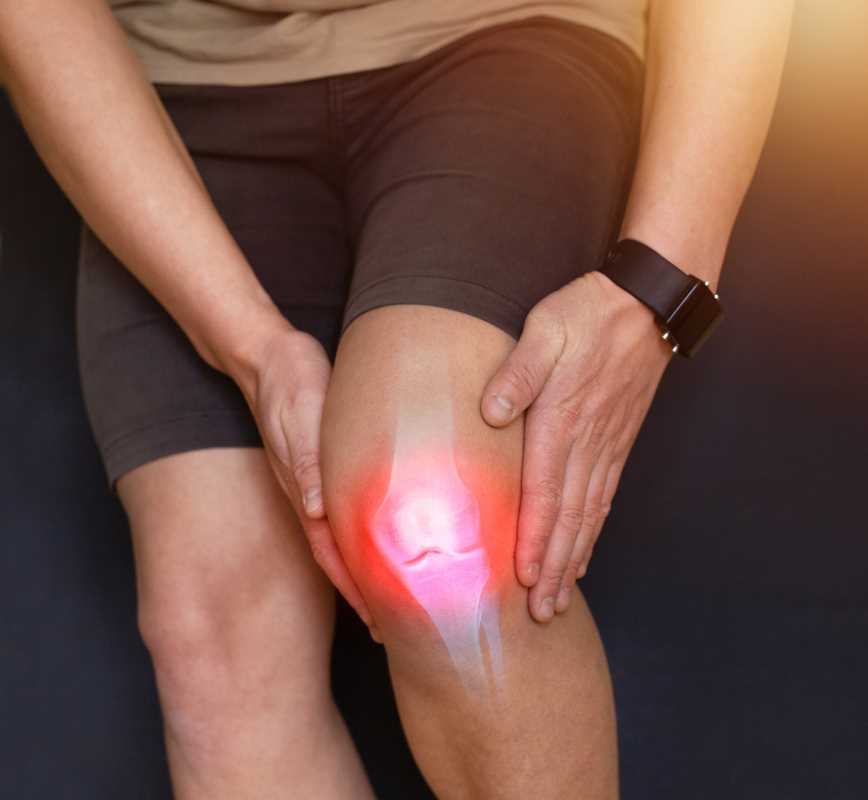
In osteoarthritis, the protective cartilage that cushions the ends of your bones wears down over time. Think of this cartilage like the shock absorbers on a car. When they wear out, the ride gets bumpy and jarring. Without that smooth cushion, bones can rub against each other, causing pain and stiffness.
Rheumatoid arthritis is different; it is an autoimmune disease where the body’s immune system attacks the lining of the joint capsule. This lining becomes inflamed and swollen. Eventually, this can destroy cartilage and bone within the joint.
In both cases, the result is pain, swelling, and a loss of motion. When you don't move, the muscles surrounding these joints get weaker. Weak muscles can't support the joint properly, putting even more stress on the damaged area. It becomes a vicious circle: pain leads to inactivity, inactivity leads to weakness, and weakness leads to more pain.
How Movement Medicine Works
Exercise acts like a natural lubricant for your joints. It helps in three major ways:
- Nourishment: Cartilage doesn't have a direct blood supply like other tissues. It gets its nutrients from the synovial fluid inside the joint capsule. Movement squishes this fluid around, ensuring the cartilage gets the "food" it needs to stay healthy.
- Support: Strong muscles act like a brace. If you have arthritis in your knee, strengthening the quadriceps (thigh muscles) takes some of the burden off the knee joint itself. The stronger your muscles, the less pressure your joints have to handle.
- Flexibility: Regular movement keeps the connective tissues around the joint flexible, preventing that "rusty gate" feeling when you try to move after sitting for a while.
Choosing the Right Activities
The goal is to move without pounding your joints. You want low-impact activities that get your heart rate up and strengthen muscles without adding stress to the skeletal structure.
Water Workouts
If moving on land is too painful, head to the pool. Water supports your weight, taking the pressure off your hips, knees, and ankles. The resistance of the water also helps build muscle strength. Swimming laps is great, but even water aerobics or simply walking in the shallow end can work wonders.
Walking
It is simple, free, and effective. Walking strengthens the muscles around your knees and hips and helps build bone density. Make sure you have supportive shoes and start on flat surfaces. If you are just starting, try walking for 10 minutes at a time and slowly build up.
Cycling
Riding a bike, whether stationary or outside, provides a great workout for your legs and heart with minimal impact on your joints. It moves the knee joint through its range of motion without the jarring impact of your foot hitting the pavement.
Yoga and Tai Chi
These gentle practices focus on slow, controlled movements, balance, and flexibility. They help improve your range of motion and reduce stiffness. Tai Chi, often described as "meditation in motion," has been shown to be particularly helpful for balance, reducing the risk of falls.
Listening to Your Body: The Two-Hour Rule
Starting an exercise routine when you have chronic pain can be scary. You might worry about hurting yourself. A good guideline to follow is the "Two-Hour Rule." It is normal to feel some soreness when you start moving muscles that haven't been used in a while. However, if your pain is worse two hours after you finish exercising than it was before you started, you likely overdid it.
This doesn't mean you should quit. It just means you need to dial it back next time. Maybe walk for 15 minutes instead of 20, or do fewer repetitions of a strength exercise. It is about finding the sweet spot where you challenge your body without overwhelming it.
Making It Stick in Daily Life
The hardest part is often just getting started. Here are a few ways to make exercise a regular habit:
- Heat it up: If your joints are stiff in the morning or before a workout, apply a warm towel or take a warm shower. Heat relaxes the muscles and gets the blood flowing, making it easier to move.
- Ice it down: If you feel some swelling after exercise, apply an ice pack for 10 to 15 minutes to calm inflammation.
- Buddy up: Exercising with a friend makes the time go faster and keeps you accountable. You are less likely to skip a walk if someone is waiting for you.
.png)