 (Image via
It often starts in the middle of the night. You go to bed feeling fine, but you wake up a few hours later with a throbbing, burning pain in your big toe. The pain is so intense that even the weight of a bedsheet feels unbearable. If this sounds familiar, you have likely experienced a gout flare. Gout is a complex form of arthritis that has been around for centuries—it was once known as the "disease of kings" because it was associated with rich, indulgent diets. While it can affect anyone, the connection to what we eat and drink remains very strong. Dealing with gout can feel frustrating and unpredictable, but understanding the link between your dinner plate and your joints is the first step toward finding relief. You don't have to live in fear of the next flare-up. By making a few smart adjustments to your daily routine, you can significantly lower your risk and keep that agonizing pain at bay.
The Crystal Problem: What is Gout?
To manage gout, you have to understand what is happening inside your body. It all comes down to a substance called uric acid. Your body naturally produces uric acid when it breaks down chemical compounds called purines. Normally, uric acid dissolves in your blood, travels to your kidneys, and leaves your body through urine.
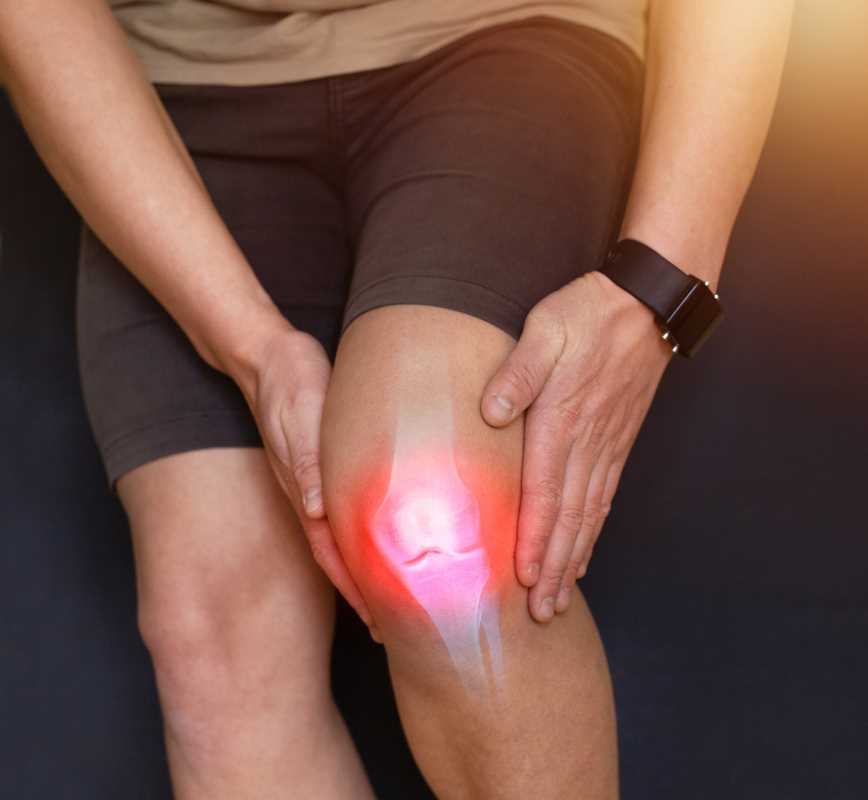
However, if your body produces too much uric acid or your kidneys can't filter enough of it out, it builds up in your bloodstream. This condition is called hyperuricemia. When uric acid levels get too high, the acid forms sharp, needle-like crystals. These crystals love to settle in joints, particularly the big toe, ankles, and knees.
Think of it like adding sugar to a glass of iced tea. If you add a little, it dissolves. If you keep pouring it in, eventually the sugar can't dissolve anymore and starts piling up at the bottom of the glass. In your body, that "pile" of crystals causes the sudden inflammation, redness, and excruciating pain of a gout attack.
The Purine Connection
Since uric acid comes from the breakdown of purines, controlling how many purines you eat is a major part of gout management. Purines are found naturally in your body, but they are also found in many foods.
Imagine your body is a bathtub with the drain open (your kidneys). The water coming from the faucet is uric acid. If you turn the faucet on full blast (eating high-purine foods), the tub will fill up faster than the drain can empty it, leading to an overflow (a gout flare). The goal of a gout-friendly diet is to turn down the faucet so the drain can keep up.
The "Red Zone": Foods and Drinks to Limit
If you are prone to gout, certain foods are like fuel for the fire. Limiting these can help drop your uric acid levels quickly.
- Organ Meats: Liver, kidneys, and sweetbreads are incredibly high in purines. For someone with gout, these should be avoided entirely.
- Red Meat: Beef, lamb, and pork are higher in purines than white meat. You don't have to become a vegetarian, but limiting portion sizes and frequency is a smart move.
- Seafood: Not all seafood is created equal, but shellfish (shrimp, lobster), anchovies, and sardines are major triggers.
- Alcohol: This is a big one. Alcohol makes it harder for your kidneys to filter out uric acid. Beer is a double-whammy because it contains alcohol and is rich in purines from the yeast used to brew it.
- Sugary Drinks: This might surprise you. Drinks sweetened with high-fructose corn syrup, like soda and some fruit juices, can spike uric acid levels. Your body breaks down fructose in a way that produces purines as a byproduct.
The "Green Zone": Diet Choices That Help
It is not all about restriction. Several foods actually help lower uric acid levels or protect against gout attacks.
- Cherries: Cherries have a legendary reputation in the gout community, and science backs it up. They contain pigments called anthocyanins that fight inflammation and lower uric acid. Eating fresh cherries or drinking tart cherry juice can be very helpful.
- Vitamin C: Foods rich in Vitamin C, such as oranges, peppers, strawberries, and pineapples, help the kidneys excrete more uric acid. Some doctors may even recommend a Vitamin C supplement.
- Low-Fat Dairy: Interestingly, proteins found in milk and yogurt help lower uric acid levels. Choosing low-fat versions allows you to get this benefit without the saturated fat found in whole milk.
- Coffee: Good news for caffeine lovers! Regular coffee consumption has been linked to a lower risk of gout. It is not the caffeine doing the heavy lifting, but other compounds in the coffee bean that affect purine breakdown.
- Water: Staying hydrated is the simplest and most effective tool you have. Drinking plenty of water dilutes the uric acid in your blood and helps your kidneys flush it out more efficiently. Aim to keep your urine pale yellow throughout the day.
Lifestyle Factors: Movement and Weight
Beyond specific foods, your overall weight plays a role. Carrying extra weight makes your body produce more uric acid and makes it harder for your kidneys to get rid of it. However, you have to be careful. Crash dieting or fasting can actually trigger a flare because rapid weight loss temporarily raises uric acid levels.
Instead, aim for slow, steady weight loss through a balanced diet and moderate exercise. Exercise helps keep your joints mobile and manages your weight, tackling two problems at once. Just remember to stay hydrated while you work out so you don't dehydrate your system.
.png)