 (Image via
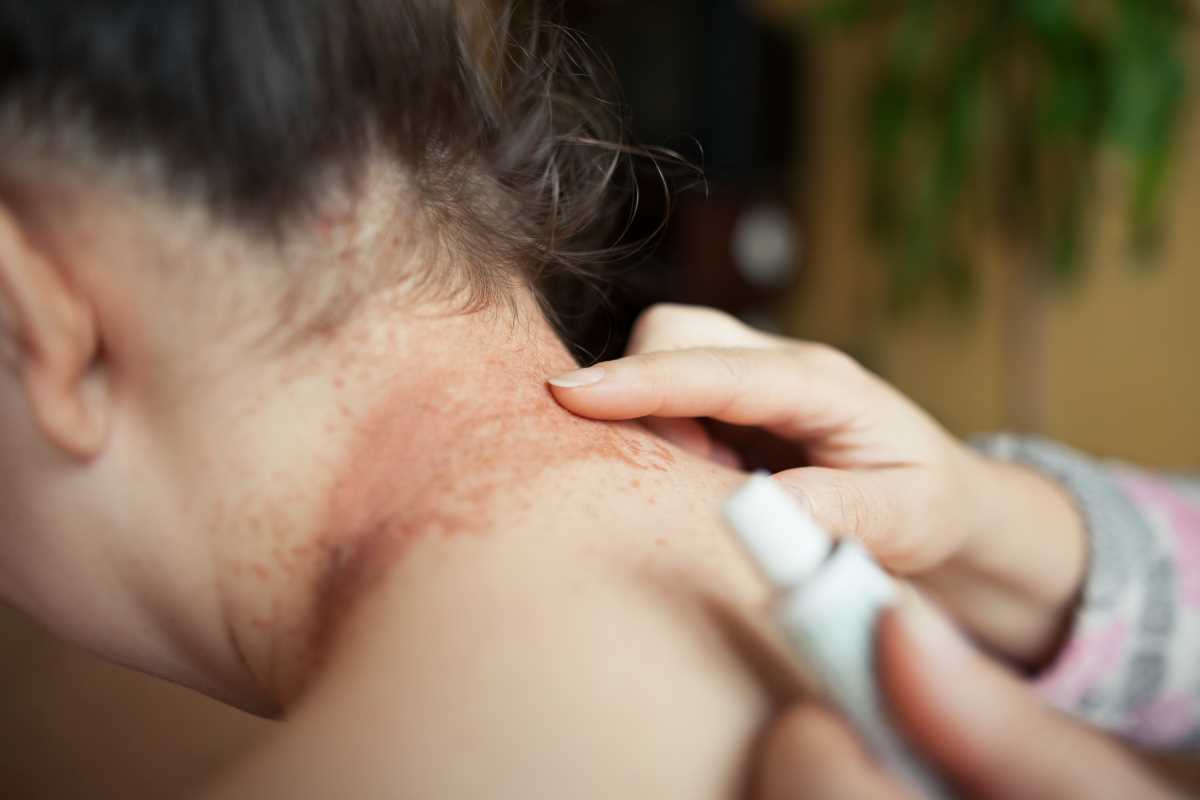
We all know the feeling of an itch you just can't scratch. Maybe it’s a mosquito bite or a rough tag on your shirt. But for millions of people, that maddening, persistent itch is a daily companion. Eczema, or atopic dermatitis, is one of the most common skin conditions in the world, yet it is often misunderstood as simply having "dry skin." It goes far beyond needing a little extra lotion in the winter. Eczema is a chronic condition that causes the skin to become red, inflamed, cracked, and intensely itchy. It can appear anywhere—on your hands, the insides of your elbows, behind your knees, or even on your face. It tends to flare up without warning, turning a good day into a struggle for comfort. While there is no magic cure that makes it disappear forever, understanding how your skin barrier works and identifying your personal triggers can help you calm the fire and reclaim your comfort.
The Broken Barrier: What is Eczema?
To understand eczema, you have to think about your skin as a brick wall. In healthy skin, the skin cells are the bricks, and the natural fats and oils are the mortar holding them together. This wall keeps moisture inside your body and keeps irritants—like bacteria, viruses, and allergens—out.
In people with eczema, this brick wall is a bit crumbly. The barrier is compromised. It doesn't hold moisture well, so the skin dries out easily. Because the "mortar" is weak, gaps form between the cells. These gaps allow moisture to escape and let irritants sneak in. When those irritants get through the wall, your immune system overreacts, launching an attack that causes inflammation and the dreaded itch. It becomes a vicious cycle: the skin itches, so you scratch it. The scratching damages the barrier even more, letting in more irritants, which causes more itching. Breaking this "itch-scratch cycle" is the golden rule of eczema management.
Identifying Your Triggers
Eczema is unique to every person. What causes a massive flare-up for one person might be totally fine for another. Acting as a detective to find your specific triggers is a huge part of finding relief.
- Irritants: These are things that touch your skin and make it angry. Common culprits include harsh soaps, laundry detergents with strong fragrances, wool or synthetic fabrics, and household cleaners. Even your own sweat can be a trigger if it sits on your skin too long.
- Allergens: Environmental factors like pollen, dust mites, pet dander, and mold can set off an eczema flare, even if you don't have typical "hay fever" symptoms.
- Climate: The weather plays a big role. Cold, dry winter air sucks moisture out of the skin, leading to "winter itch." On the flip side, hot and humid weather can cause sweating, which irritates the skin.
- Stress: This is a major internal trigger. When you are stressed, your body releases cortisol, a hormone that can increase inflammation throughout the body, including in your skin. Many people notice their skin gets worse during exams or busy times at work.
The Art of Moisturizing
If your skin barrier is leaky, you need to patch it up. Moisturizing isn't just a cosmetic step; it is medical treatment for eczema. But not all moisturizers are created equal.
Lotions are high in water content. They rub in easily, but the water evaporates quickly, often leaving the skin drier than before. For eczema, you want "occlusive" moisturizers—products that form a seal over the skin to lock water in.
- Ointments: These are the best choice. Think petroleum jelly. They feel greasy, but they are incredibly effective at sealing in moisture and don't usually contain preservatives that sting.
- Creams: These are thicker than lotions and contain more oil. Look for creams that come in a tub or jar rather than a pump bottle.
The timing matters, too. The "soak and seal" method is highly recommended by dermatologists. Take a lukewarm (not hot!) shower or bath. Gently pat your skin dry with a towel—don't rub—leaving it slightly damp. Then, immediately apply your moisturizer within three minutes. This traps the water from the shower into your skin before it evaporates.
Gentle Cleansing Habits
How you wash your body can make or break your skin barrier. Hot water is the enemy of eczema. It strips away the natural oils your skin desperately needs. Stick to lukewarm water and limit showers to 5 or 10 minutes.
Also, rethink your soap. True soap usually has a high pH, which is harsh on the skin. Look for "syndet" bars or gentle, soap-free cleansers that are fragrance-free and dye-free. You don't need to scrub your whole body with soap every day; focusing on the "dirty bits" (armpits, groin, feet) is usually enough, letting water rinse the rest of your body.
Clothing and Environment Choices
Since your skin is sensitive, what you wrap it in matters.
- Fabric: Cotton, bamboo, and silk are breathable and soft. Avoid wool, which has rough fibers that can physically irritate the skin, and synthetic fabrics like polyester that trap heat and sweat.
- Laundry: Switch to a "free and clear" liquid detergent. Avoid fabric softeners and dryer sheets, as these leave a chemical residue on clothes that can irritate skin all day long.
- Humidifiers: If you live in a dry climate or run the heat in the winter, a humidifier in your bedroom can add moisture back into the air, preventing your skin from drying out while you sleep.
Medical Treatments: When to See a Doctor
Sometimes, a good skincare routine isn't enough. If your eczema is interfering with your sleep, if your skin is weeping or looks infected (yellow crusts or red streaks), or if you just can't get the itching under control, it is time to see a dermatologist.
Doctors can prescribe topical corticosteroids (anti-inflammatory creams) to calm the flare-up quickly. For more severe cases, there are non-steroidal creams, light therapy (phototherapy), and newer biologic medications that target the specific parts of the immune system causing the inflammation.
.png)