 (Image via
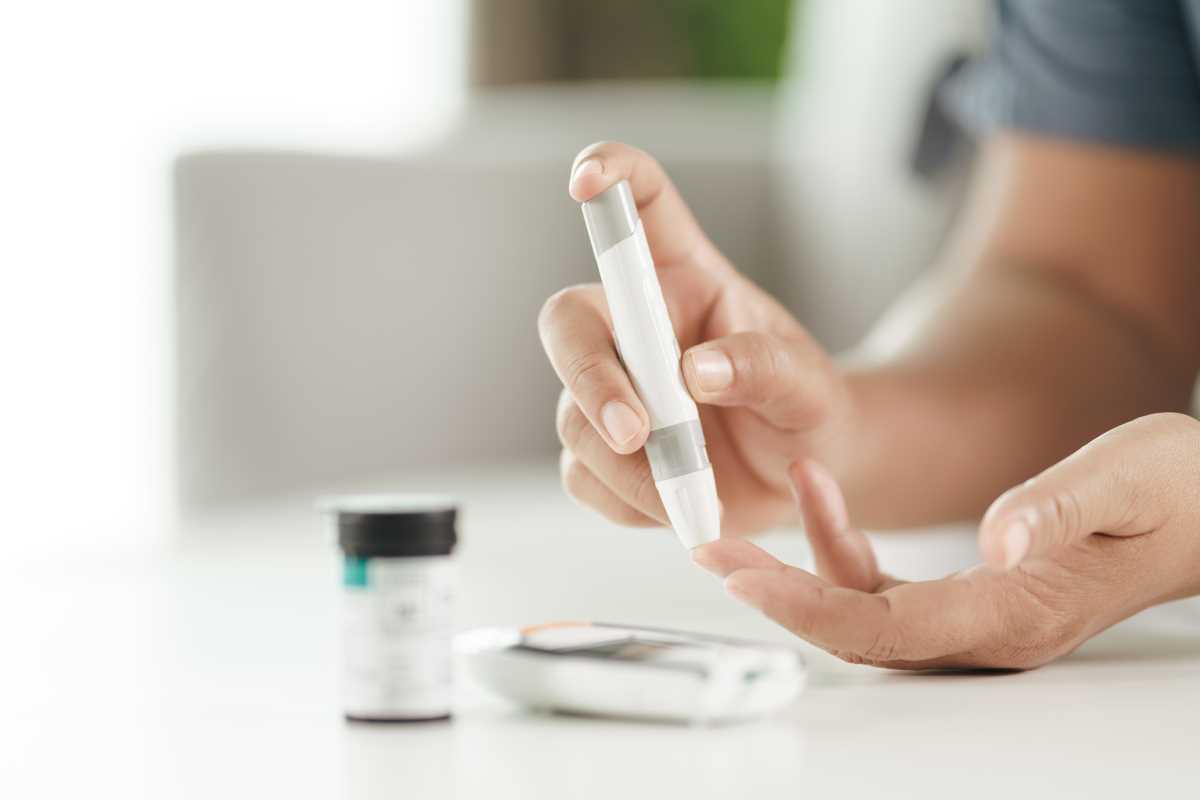
Living with diabetes can often feel like working a second full-time job that you never applied for. You have to constantly think about what you eat, how much you move, and how you physically feel at any given moment. For a long time, the only way to check if you were on track was to use a small needle called a lancet and a plastic test strip. You had to prick your finger, squeeze out a drop of blood, and wait for a clunky machine to give you a number. It was painful, messy, and annoying to do multiple times a day. Thankfully, technology has finally caught up. We now have smart devices that have completely flipped the script on diabetes management. These gadgets take the guesswork out of the equation. They offer a way to see what is happening inside your body in real-time, often without the constant need for finger pricks. This shift is helping people handle their condition with less stress and significantly more confidence.
The Problem with the Old "Snapshot" Method
To understand why smart devices are such a big deal, you have to look at the limitations of the traditional finger-stick method. When you prick your finger, you get a single number for that exact moment. It is like taking a photo of a moving car. The photo might show the car is in the middle of the lane, but it doesn't tell you if the car is speeding up, slowing down, or about to swerve off the road.
A blood sugar reading of 100 mg/dL looks perfect on paper. But if you are 100 and dropping fast, you might be in danger of passing out in twenty minutes. If you are 100 and rising quickly, you might need insulin. A standard meter can’t tell you the direction your levels are heading. This lack of information often left patients feeling anxious, never quite knowing if they were truly safe.
Enter the Continuous Glucose Monitor (CGM)
The biggest game-changer in recent years is the Continuous Glucose Monitor, or CGM. This is a small, wearable sensor, usually about the size of a coin. You stick it on your arm or stomach, and it stays there for 10 to 14 days.
Instead of measuring blood directly, the sensor has a tiny, flexible filament that sits just under your skin. It measures the sugar levels in the interstitial fluid—the fluid that surrounds your cells. The device takes a reading every few minutes, 24 hours a day.
This turns that static "photo" into a movie. You can look at a screen and see a line graph showing exactly what your sugar has been doing for the last few hours. You can see the spike after you ate a slice of pizza and watch it slowly come back down after a walk. This immediate feedback helps people learn exactly how their body reacts to different foods and activities.
Your Phone is the New Command Center
In the past, people with diabetes had to carry around a zipper case full of supplies. Now, the hub for all this medical data is a device you already have in your pocket: your smartphone. Most modern CGMs use Bluetooth to send data directly to an app on your phone.
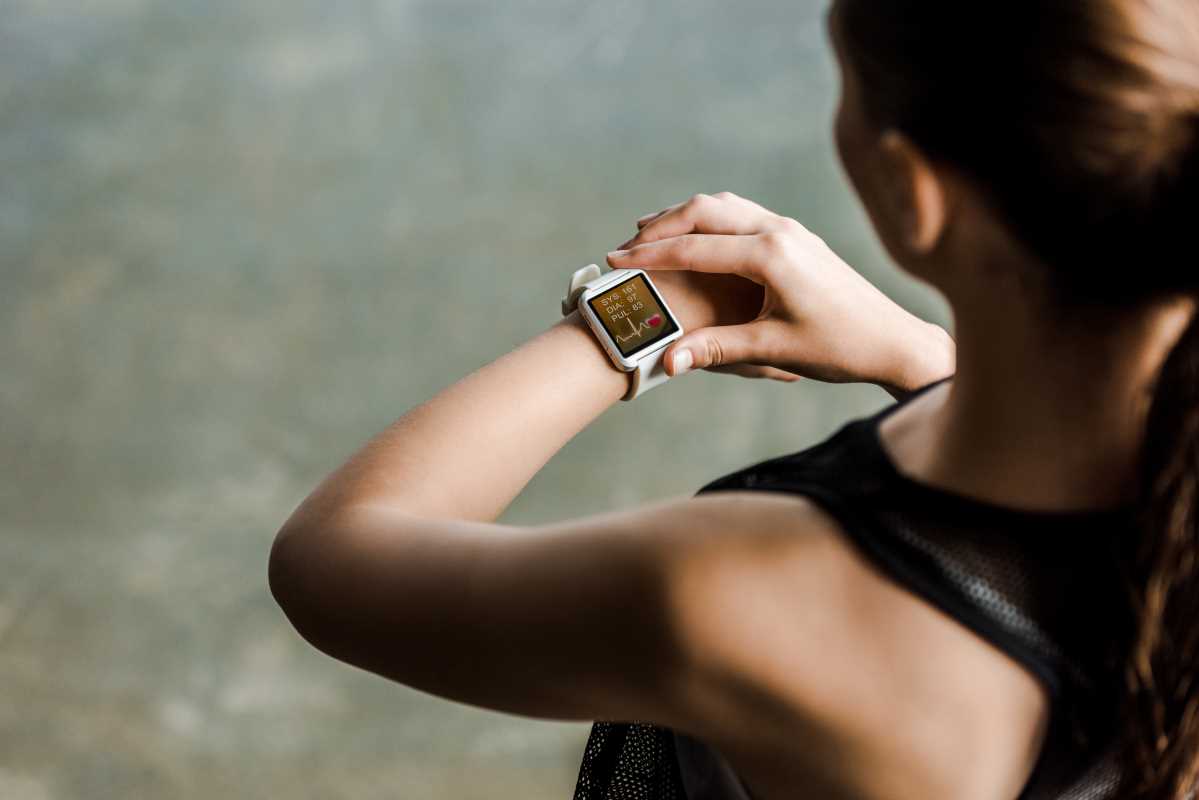
This connectivity adds a layer of convenience that is hard to overstate. You can discreetly check your levels during a meeting or a class just by glancing at your phone screen or smart watch. There is no need to step out of the room or pull out equipment.
The apps do more than display numbers; they interpret them. They use arrows to show trends. An arrow pointing straight up means your sugar is rising quickly. An arrow pointing diagonally down means it is dropping slowly. These simple visual cues allow users to make quick decisions—like eating a snack or taking insulin—to stop a problem before it gets bad.
Safety Through Alerts and Alarms
One of the scariest parts of diabetes is hypoglycemia, or low blood sugar. If levels drop too low, a person can become confused, pass out, or even have a seizure. This is particularly dangerous at night when the person is asleep.
Smart monitoring devices act as a safety net. Because the sensor is always watching, you can set customizable alarms. If your sugar drops below a certain point, your phone will sound a loud alarm to wake you up or alert you. Some systems can even predict a low event 20 minutes before it happens, giving you time to drink some juice and prevent the low entirely. For parents of children with diabetes, these alarms provide much-needed peace of mind, allowing them to sleep without worrying if their child is safe.
Remote Monitoring
Smart tech has also made diabetes a team effort. The data from a CGM isn't stuck on the patient's phone. It can be securely shared via the cloud with trusted family members or friends.
A parent can be at work and see their child's blood sugar levels while the child is at school. If the numbers look off, the parent can text the child or call the school nurse. An elderly person living alone can share their data with their adult children. If an emergency alarm goes off and the patient doesn't dismiss it, the app can alert the family members so they can check in. This digital connection reduces the isolation that often comes with managing a chronic condition.
.jpg)