 (Image via
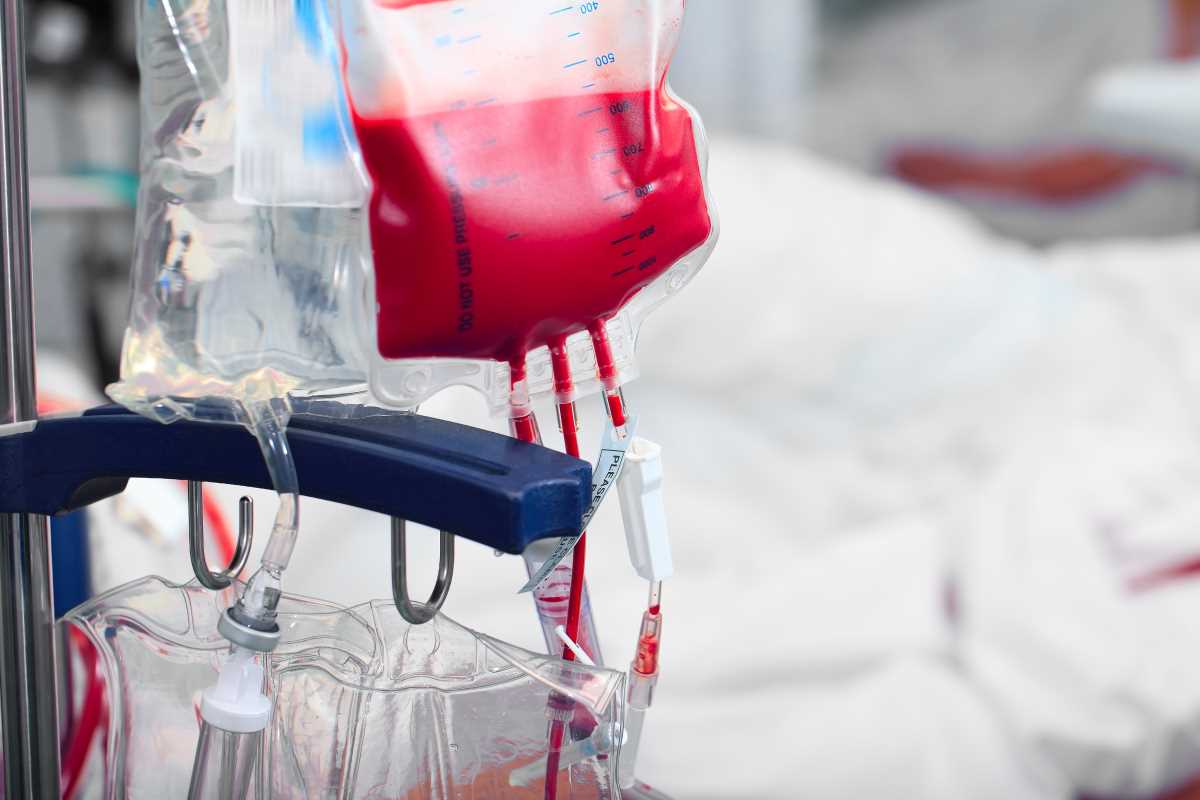
We often think of a blood transfusion as a routine part of hospital care, almost like getting an IV drip or taking an antibiotic. It happens thousands of times every single day in operating rooms and emergency departments around the world. But in reality, a blood transfusion is a liquid organ transplant. You are taking living tissue from one person and putting it into another. Because of this, it carries real risks, from immune reactions to infections. For a long time, the medical approach was to give blood liberally—if a patient looked a little pale or their numbers were slightly low, doctors would order a bag of blood "just to be safe." Today, that thinking has completely changed. We are seeing a major shift in how hospitals handle this precious resource. New research has led to updated protocols that prioritize safety and precision. These changes are not about cutting costs; they are about using the best science to protect patients. By refining when and how we give blood, medical teams are helping people recover faster with fewer complications.
The Shift to Patient Blood Management
One of the biggest changes in recent years is a concept called Patient Blood Management (PBM). In the past, the focus was almost entirely on the blood product itself—making sure the donor bank was full. PBM flips this around. It focuses on the patient's own blood as a vital resource that should be conserved and optimized.
The idea is simple: the safest blood for a patient is their own. PBM starts long before a patient ever enters the operating room. If someone is scheduled for a hip replacement or heart surgery, doctors now check their blood health weeks in advance. If the patient is anemic (has low red blood cell count), doctors will treat that anemia first, perhaps with iron supplements or diet changes. By boosting the patient's own blood count before surgery, the medical team reduces the need for a donor transfusion later. During surgery, surgeons use special techniques to minimize blood loss, such as using smaller incisions or recycling the patient's lost blood back into their body. This proactive approach prevents problems before they start.
Less Is Often More
For decades, there was a "magic number" in medicine regarding hemoglobin levels. Hemoglobin is the protein in red blood cells that carries oxygen. If a patient’s level dropped below 10 grams per deciliter, doctors would almost automatically order a transfusion. It was a standard rule of thumb.
New research has proven that this old rule was actually too aggressive. Extensive studies show that the human body is incredibly resilient. Most stable patients do just fine with hemoglobin levels significantly lower than 10. In fact, patients often recover better when they are not given extra blood unless absolutely necessary.
This has led to "restrictive transfusion thresholds." Instead of transfusing at 10, many hospitals now wait until the level drops to 7 or 8, provided the patient isn't showing signs of distress like chest pain or shortness of breath. Why wait? Because every unit of donor blood challenges the recipient's immune system. By giving less blood, doctors lower the risk of infection, lung injury, and fluid overload. It turns out that keeping the transfusion trigger low is one of the smartest safety moves hospitals can make.
Balanced Resuscitation in Trauma
While the "less is more" rule applies to stable patients, emergency situations require a different playbook. When a person suffers a major trauma—like a car accident—and loses a massive amount of blood, they aren't just losing red blood cells. They are also losing plasma (the liquid part of blood) and platelets (the cells that help blood clot).
In the past, trauma doctors would pump the patient full of saline (salt water) and packed red blood cells to keep their blood pressure up. But this diluted the remaining clotting factors in the patient's body, making it harder for them to stop bleeding. It was a vicious cycle.
Modern "Massive Transfusion Protocols" have fixed this. Now, when a trauma patient arrives, doctors aim for a balanced ratio, often called "1:1:1." This means for every unit of red blood cells, they also give one unit of plasma and one unit of platelets. This recipe mimics whole blood as closely as possible. It restores volume, oxygen-carrying capacity, and the ability to clot all at once. This change has drastically improved survival rates for victims of severe trauma.
Technology Eliminating Human Error
Even with the best medical decisions, simple human error has always been a risk. Giving the wrong blood type to a patient is a catastrophic mistake that can be fatal. Technology is now acting as a powerful safety net to stop this from happening.
Hospitals are implementing electronic cross-matching and barcode systems that leave nothing to chance. When a nurse prepares to give a transfusion, they scan the barcode on the patient’s wristband and the barcode on the blood bag. If the two don't match perfectly in the computer system, the machine alerts them instantly. This "positive patient identification" acts as a final, fail-safe check at the bedside.
Behind the scenes, blood banks are using cooler technology (literally) to monitor blood storage. Smart fridges track the temperature of every bag minute by minute. If a fridge door is left ajar or a unit of blood is left out too long, the system flags it so it won't be used. This guarantees that every unit of blood a patient receives is fresh and potent.
.jpg)