 (Image via
We live in a world where technology is practically glued to us. From the smartphone in your pocket to the fitness tracker on your wrist, we are constantly connected. For a long time, these wearable devices were mostly fun accessories. They were great for counting how many steps you took on a walk, tracking your sleep schedule, or reminding you to stand up after sitting for too long. But things have changed in a big way. Today, that little gadget on your wrist is becoming a powerful medical tool. It isn't just recording what you did yesterday; it is actively looking for clues about your health right now. Doctors and researchers have realized that these devices can spot subtle changes in your body long before you even feel sick. This shift toward early detection is huge. It means we can catch problems when they are small and manageable, rather than waiting for them to turn into serious emergencies.
Beyond Steps: The Heart of the Matter
The most immediate impact of wearable tech is on heart health. Your heart beats over 100,000 times a day, and most of us have no idea if the rhythm is normal or not. Conditions like atrial fibrillation (AFib)—an irregular heart rhythm—can be silent killers. A person might feel fine, but their heart could be beating chaotically, increasing their risk of stroke or heart failure.
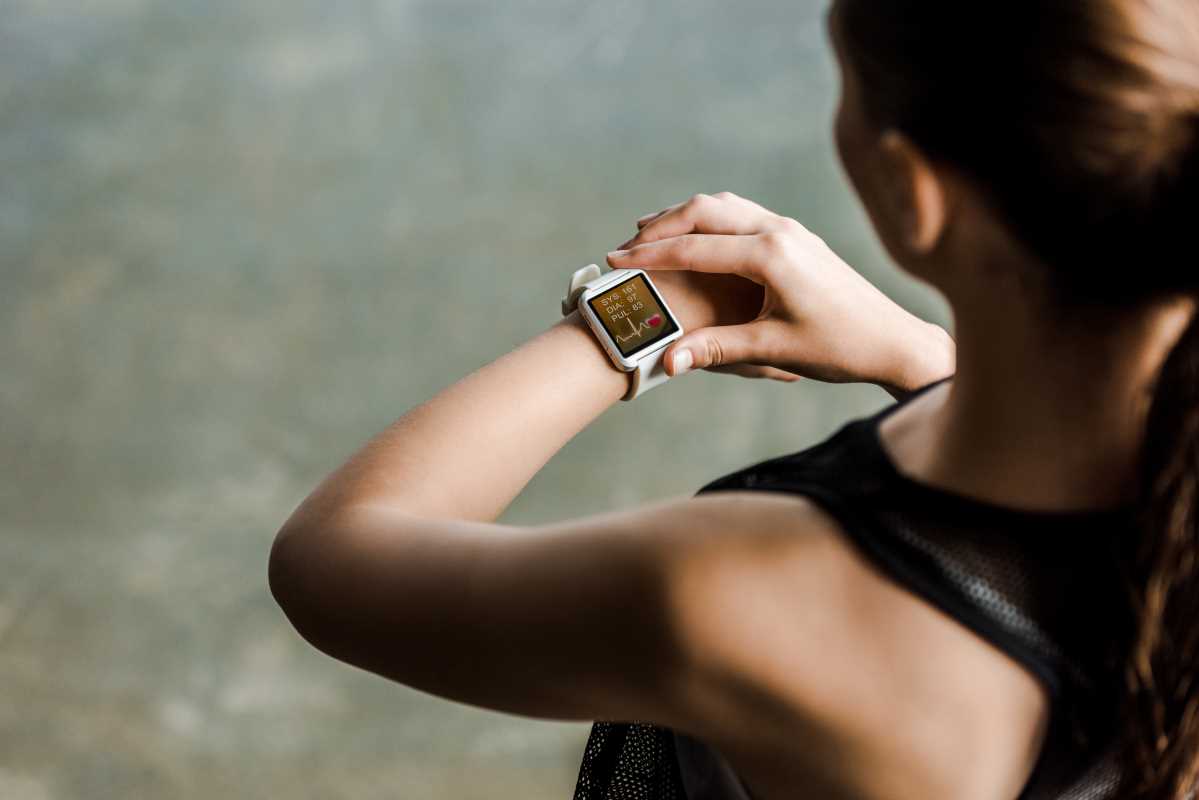
Modern smartwatches are now equipped with sensors that can detect these irregularities. Unlike a standard doctor's visit, where they listen to your heart for maybe thirty seconds, a wearable device is listening all the time. If it notices a pattern that looks like AFib, it sends an alert to the user. This prompts them to go see a doctor for a proper check-up. Many people have already credited their smartwatches with saving their lives by alerting them to heart problems they didn't know they had. Some devices can even take a medical-grade electrocardiogram (ECG) right from your wrist, providing doctors with valuable data instantly.
Detecting Infection Before Symptoms Start
One of the most surprising capabilities of wearables is their ability to spot infections like the flu or even COVID-19 before you start coughing or feeling feverish. Your body reacts to an infection almost immediately, even if you don't feel it yet. Your resting heart rate might creep up slightly, your heart rate variability (the time between beats) might drop, or your skin temperature might rise just a fraction of a degree.
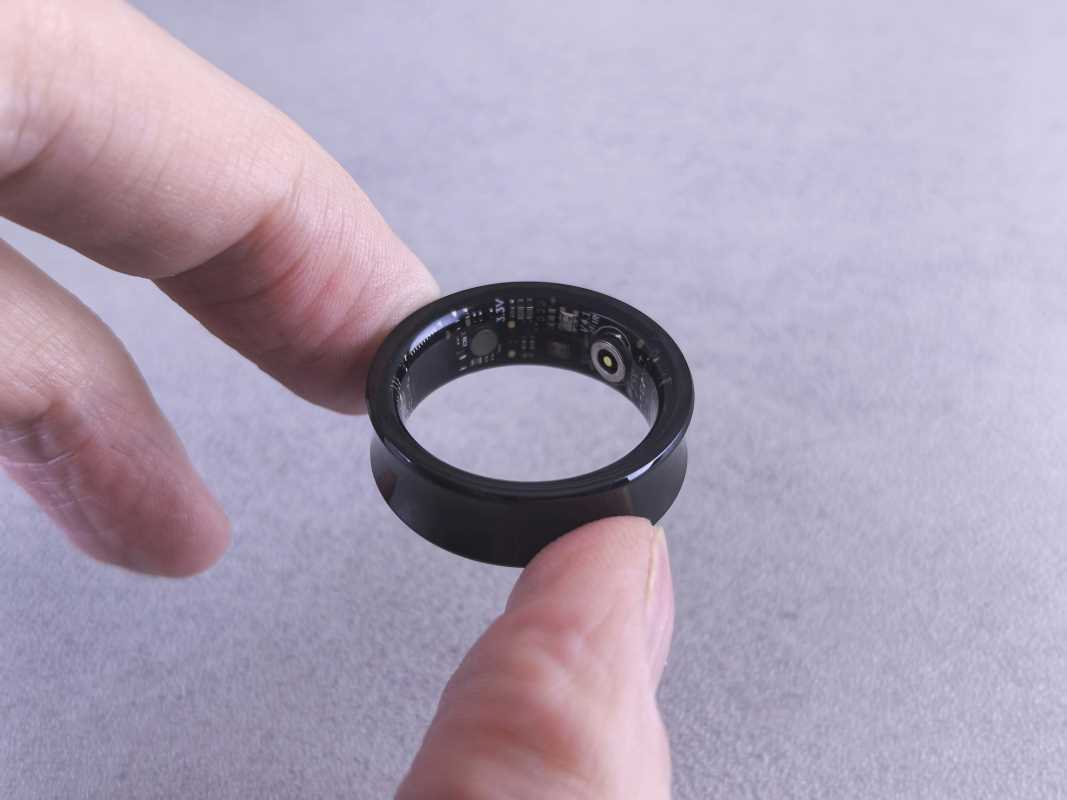
While a human might not notice these tiny shifts, a computer algorithm does. Researchers have found that smart rings and watches can detect these physiological stress signals days before symptoms appear. This "pre-symptom" warning gives people a head start. If your device tells you your body is fighting something, you might decide to stay home from work, get extra sleep, or wear a mask, stopping the spread of the illness to others before you even know exactly what you have.
A Watchful Eye on Sleep Apnea
Sleep is crucial for health, but millions of people suffer from sleep apnea, a condition where breathing repeatedly stops and starts during the night. It leaves people exhausted and puts a huge strain on the heart. The problem is, since it happens while you are asleep, many people don't know they have it.
Wearable tech is shining a light on this hidden issue. By tracking blood oxygen levels (SpO2) and movement during sleep, these devices can identify the tell-tale signs of apnea. If your oxygen levels dip significantly throughout the night, the device records it. While a watch can't officially diagnose the condition—you still need a sleep study for that—it acts as a crucial first step. It provides the evidence a person needs to talk to their doctor, leading to treatment that can drastically improve their energy levels and long-term health.
The Future of Monitoring Chronic Conditions
For people already living with chronic conditions, wearables offer a way to prevent emergencies. Take epilepsy, for example. There are now smartwatches designed specifically to detect the repetitive shaking motions associated with seizures. If a seizure occurs, the device can automatically send an alert with the user's GPS location to their family members or caregivers. This ensures help arrives quickly, which is vital for safety.
Similarly, researchers are working on sweat-sensing wearables. Instead of just tracking physical movement, these sensors analyze the chemicals in your sweat. This could be a game-changer for conditions like cystic fibrosis or even for tracking cortisol levels to manage stress. The goal is to move healthcare from a reactive model—where you go to the doctor because something is wrong—to a proactive one, where technology helps you stay healthy.
.jpg)