 (Image via
We have all played the game of "Telephone" as kids. You whisper a message to one person, they whisper it to the next, and by the time it gets to the end of the line, "I like purple bananas" has turned into "Mike rides turtles in pajamas." It’s funny in a game, but it is definitely not funny when it happens in healthcare. For a long time, the medical world operated a lot like a bad game of Telephone. Your primary doctor would send a fax to a specialist, who might scribble a note for a pharmacist, who then had to guess what the doctor’s handwriting meant. Information got lost, messages were scrambled, and patients fell through the cracks. These cracks are what experts call "gaps in care," and they can lead to serious health problems. But today, a revolution is happening. New care coordination technology is acting like a high-speed, crystal-clear digital network that connects every member of a patient's team. It is transforming healthcare from a fragmented mess into a cohesive system, ensuring that everyone is on the same page and that patients get the safe, timely care they deserve.
What Are "Gaps in Care"?
Before we talk about the fancy technology, we need to understand the problem. A "gap in care" is basically the difference between the care a patient should receive and the care they actually receive.
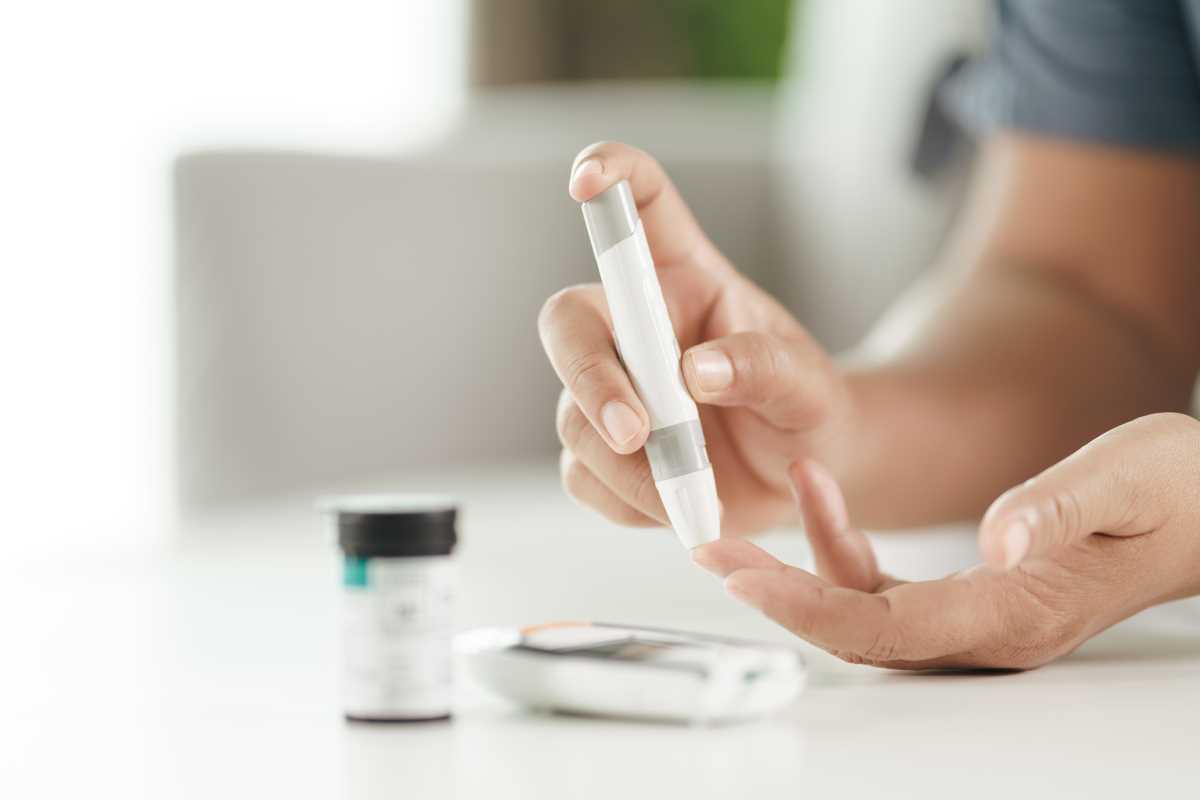
Imagine you have a condition like diabetes. To stay healthy, you need to get your eyes checked once a year, get your blood sugar tested every three months, and take your medication daily. If you miss that eye appointment because you forgot, or if you stop taking your medicine because the pharmacy didn't get the refill authorization, that is a gap.
These gaps happen for all sorts of reasons. Maybe a doctor's office is too busy to call you back. Maybe your records are stuck in a filing cabinet at a hospital across town. Or maybe you just didn't understand the discharge instructions when you left the emergency room. Whatever the cause, these gaps mean people get sicker than they need to be, often leading to avoidable hospital visits.
The Digital Bridge: Electronic Health Records (EHRs)
The foundation of modern care coordination is the Electronic Health Record, or EHR. Think of this as the digital version of that thick manila folder doctors used to carry around. But unlike a paper folder, an EHR can be in two places at once.
In the past, if you saw a specialist for your heart, your regular family doctor might not know about it until you told them weeks later. Now, with interoperable EHR systems, your family doctor can log in and see exactly what the cardiologist said, what tests were run, and what new medications were prescribed—often in real-time.
This technology eliminates the "I thought you knew" problem. It creates a single source of truth about your health. If you have an allergy to penicillin, it is flagged in the system. If you end up in the ER, the doctors there can see your history instantly, preventing them from giving you a drug that could hurt you. This immediate access to information closes a massive safety gap.
Smart Alerts and Automated Reminders
Humans are forgetful. We get busy, we get distracted, and things slip our minds. This is true for patients, but it is also true for doctors and nurses who are juggling hundreds of cases. Technology helps fix this by automating the memory work.
Care coordination platforms use smart algorithms to scan patient data and look for missing pieces. For example, the system might notice that Mrs. Jones, who is 65, hasn't had her recommended flu shot yet. It can automatically send a text message or email to Mrs. Jones reminding her to book an appointment.
On the provider side, these systems act like a smart assistant. When a doctor opens a patient's chart, a pop-up might say, "This patient is due for a cancer screening." This prompts the doctor to have that conversation right then and there. By automating these reminders, technology ensures that preventative care happens on schedule, stopping small issues from becoming big emergencies.
Telehealth: Closing the Distance Gap
One of the biggest physical gaps in healthcare is simple distance. If you live in a rural area, the nearest specialist might be a three-hour drive away. That distance is a huge barrier that often leads people to skip appointments.
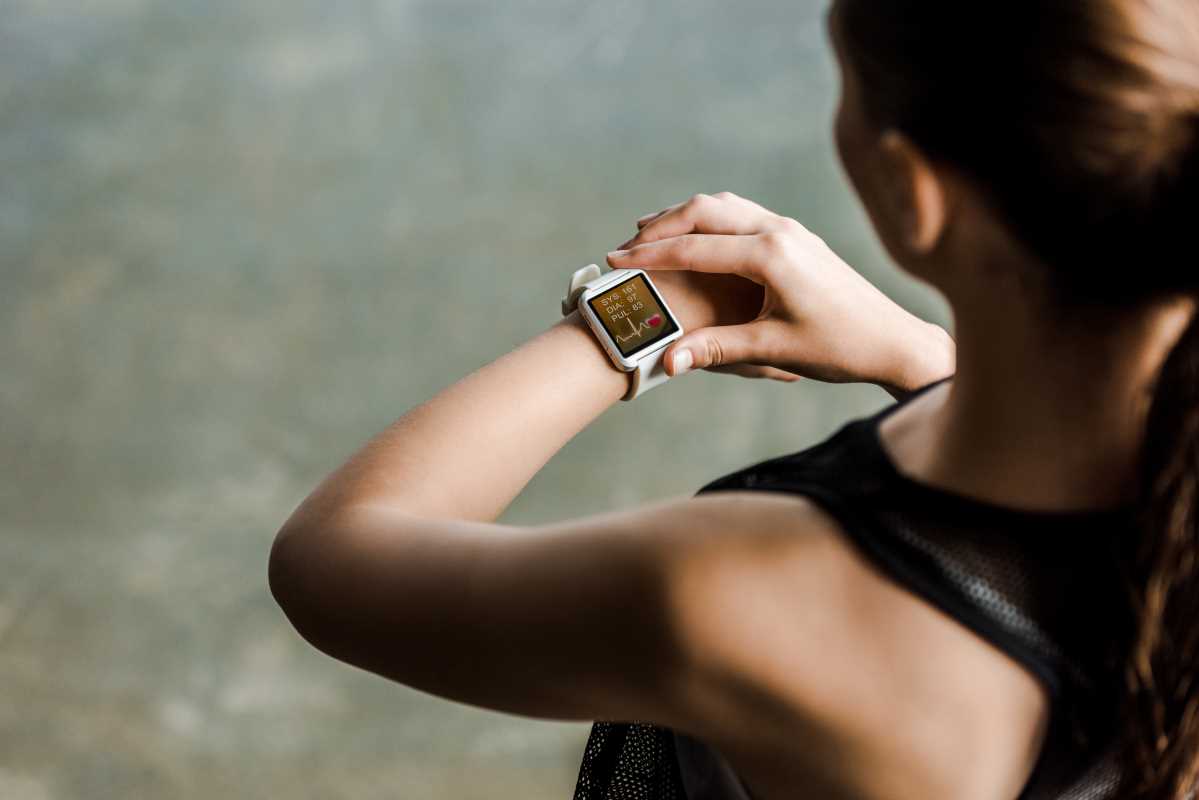
Telehealth technology—video calls and remote monitoring—bridges this physical gap perfectly. It allows doctors to coordinate care directly into a patient's living room.
Consider a patient recovering from surgery. Instead of driving to the hospital for a quick wound check, they can snap a high-resolution photo and upload it to a secure portal, or have a video chat with a nurse. If the nurse sees signs of infection, they can coordinate with a doctor immediately to call in a prescription. This keeps the patient home, comfortable, and safe, while still keeping a close eye on their recovery. It removes the friction of travel, making it much more likely that patients will stick to their follow-up plan.
The Power of Health Information Exchanges (HIEs)
HIEs are like the internet of the medical world. They are secure networks that allow different healthcare organizations to share data safely.
Without an HIE, a hospital in one city and a clinic in another city are like two islands with no bridge. If you get sick on vacation, the local doctors are flying blind. With an HIE, those islands are connected.
Scenario: Let's say you are on a road trip and have a bad allergic reaction. You rush to a strange urgent care clinic. Because that clinic participates in a Health Information Exchange, they can securely pull up your records from your doctor back home. They instantly see that you are taking a specific heart medication. Knowing this, they choose a treatment that won't react badly with your heart pills. This coordination happens in seconds, potentially saving your life, all because the technology allowed the data to follow the patient.
Reducing Readmissions with Transitional Care Tech
The most dangerous time for a patient is often right after they leave the hospital. This is called the "transition of care." Patients are often tired, confused, and overwhelmed with new instructions. If they misunderstand their medication schedule, they could end up right back in the hospital bed within a week.
Care coordination apps are specifically designed to fix this "revolving door" problem. Before a patient leaves the hospital, a care manager can set them up with a mobile app. This app gives them a daily checklist:
- "Take your blue pill at 9:00 AM."
- "Weigh yourself and enter the number."
- "How is your pain level today?"
If the patient enters a weight that is too high (a sign of fluid retention in heart failure patients), the app alerts a nurse immediately. The nurse can call the patient and adjust their meds over the phone, preventing a crisis. This proactive monitoring acts as a safety net, catching problems before they require a 911 call.
The Human Touch Enhanced by Tech
Some people worry that adding all this technology makes healthcare feel robotic. But actually, it does the opposite. By handling the boring administrative work—the faxing, the filing, the phone tag—technology frees up doctors and nurses to do what they do best: care for people.
When a care coordinator doesn't have to spend three hours tracking down a lab result, they can spend those three hours talking to a patient who is scared about a diagnosis. When a doctor has all the information in front of them before the appointment starts, they don't have to spend the whole visit typing on a computer. They can make eye contact and listen.
Technology is the tool, not the replacement. It clears away the clutter and confusion so that the human connection can happen. It ensures that the right hand knows what the left hand is doing, creating a seamless experience where the patient feels supported, understood, and safe.
All articles published on CareMedPro.com are created for informational and editorial purposes only. Readers are encouraged to verify details directly with official job and legal sources before making decisions. CareMedPro.com is not affiliated with, endorsed by, or officially connected to any company, brand, or legal authority unless explicitly stated.
.jpg)