 (Image via
Imagine planning your entire day around the location of the nearest restroom. For millions of people, this isn't just an occasional worry during a bout of food poisoning; it is their daily reality. Irritable Bowel Syndrome, commonly known as IBS, is one of the most common digestive disorders in the world, yet it remains misunderstood and often stigmatized. It is the kind of condition that people hesitate to talk about because the symptoms—gas, bloating, and bathroom habits—can feel embarrassing. However, staying silent often leads to unnecessary suffering. IBS is not just "in your head," nor is it simply a "sensitive stomach." It is a genuine medical condition involving the complex communication network between your brain and your gut. While it can be frustrating and sometimes debilitating, understanding how IBS works is the first step toward reclaiming your confidence and comfort. You don't have to let your digestive system dictate your schedule.
The "Glitchy" Gut-Brain Connection
To understand IBS, it helps to think of your digestive system like a computer. In some diseases, like ulcerative colitis, there is visible damage to the "hardware"—you can see inflammation or sores on a scan. With IBS, the hardware looks perfectly normal. If a doctor looked at your colon, they wouldn't find any physical signs of disease.
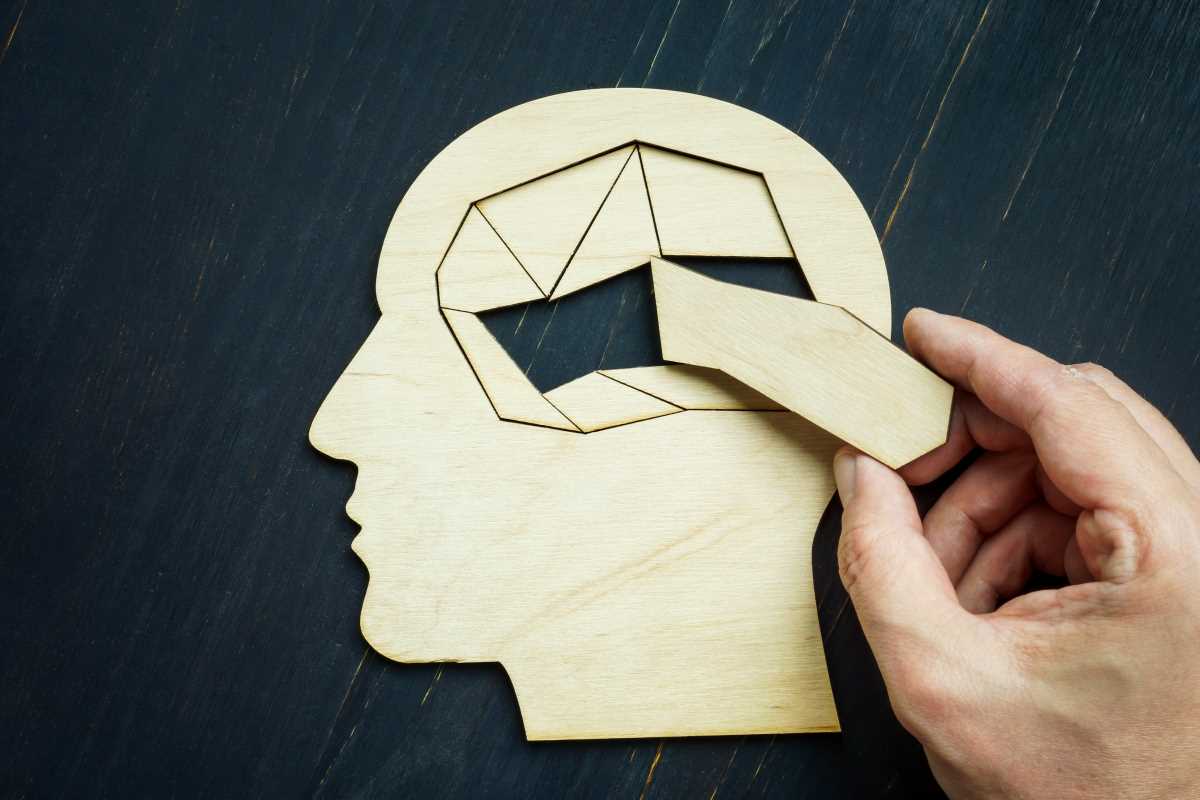
The problem lies in the "software." IBS is known as a functional disorder. This means the gut isn't functioning the way it should because of a communication breakdown. The brain and the gut are constantly talking to each other via the nervous system. In people with IBS, these signals get scrambled. The gut becomes hypersensitive. Normal gas or movement that most people wouldn't even notice might send strong pain signals to an IBS brain. In response, the brain might tell the gut to move things along too fast (leading to diarrhea) or too slow (leading to constipation). It is essentially a glitch in the system that causes the gut to overreact to normal digestive processes.
Recognizing the Symptoms
IBS looks different for everyone, but the core symptoms usually revolve around pain and bathroom habits. The medical community typically groups IBS into three main types based on bowel movements:
- IBS-D (Diarrhea-predominant): This involves frequent, urgent needs to use the bathroom, often accompanied by loose stools and cramping.
- IBS-C (Constipation-predominant): This involves infrequent bowel movements, straining, and passing hard, lumpy stools.
- IBS-M (Mixed): This is a frustrating combination where bowel habits alternate between diarrhea and constipation.
Beyond these patterns, almost everyone with IBS experiences bloating. Your stomach might feel tight and swollen, sometimes visibly distended, especially after eating. Gas and abdominal pain that often goes away after a bowel movement are also hallmark signs. These symptoms can wax and wane, flaring up during stressful times or after eating certain foods, and then quieting down for weeks or months.
Understanding FODMAPs
For many people with IBS, food is the enemy. You might eat a healthy salad and end up in pain, while a burger leaves you feeling fine. It can feel random, but there is usually a pattern related to specific carbohydrates.
Researchers have identified a group of sugars found in certain foods that are hard for the small intestine to absorb. These are called FODMAPs (Fermentable Oligosaccharides, Disaccharides, Monosaccharides, and Polyols). When these sugars aren't absorbed properly, they travel to the large intestine where bacteria ferment them. This fermentation process creates gas, which stretches the sensitive gut and causes pain and bloating.
Common high-FODMAP foods include:
- Dairy: Milk, yogurt, and soft cheeses (lactose).
- Fruits: Apples, pears, peaches, and watermelon (fructose).
- Vegetables: Onions, garlic, broccoli, and cauliflower.
- Grains: Wheat and rye.
- Sweeteners: High-fructose corn syrup, honey, and artificial sweeteners like sorbitol.
Many doctors recommend a temporary "low-FODMAP diet" to identify triggers. This involves cutting out high-FODMAP foods for a few weeks and then slowly reintroducing them one by one to see which ones cause a reaction. It is a highly effective way to create a personalized diet plan that minimizes symptoms without cutting out foods unnecessarily.
Medical Treatments and Supplements
While diet plays a huge role, sometimes you need extra help. There are several over-the-counter and prescription options available.
- Antispasmodics: These drugs help relax the muscles in the gut wall, which can reduce the cramping and pain associated with bowel spasms.
- Laxatives and Anti-diarrheals: Depending on your type of IBS, gentle laxatives (like polyethylene glycol) or medications to stop diarrhea (like loperamide) can help manage bowel movements.
- Peppermint Oil: This natural supplement is surprisingly effective. It acts as a natural antispasmodic, calming the gut muscles. Enteric-coated capsules are best because they release the oil directly in the intestines where it is needed.
- Probiotics: These are beneficial bacteria that promote a healthy gut environment. While research is still ongoing, some specific strains (like Bifidobacterium infantis) have been shown to help reduce bloating and gas for some patients.
Calming the Nervous System
Since IBS is a disorder of the gut-brain interaction, managing your mental state is just as important as watching what you eat. Stress is a massive trigger for flare-ups. When you are anxious, your brain releases chemicals that can wreak havoc on your digestion.
incorporating stress-relief practices into your daily routine can make a big difference. This doesn't mean you have to meditate for hours. Simple techniques like deep diaphragmatic breathing (belly breathing) can stimulate the vagus nerve, which tells your body to relax and "rest and digest." Regular, moderate exercise like walking or yoga can also help regulate bowel function and reduce stress.
Some people find relief through cognitive behavioral therapy (CBT) specifically designed for IBS. This therapy helps you change the way you think about your symptoms and reduces the anxiety surrounding them, which can actually lower the physical sensation of pain.
.png)