 (Image via
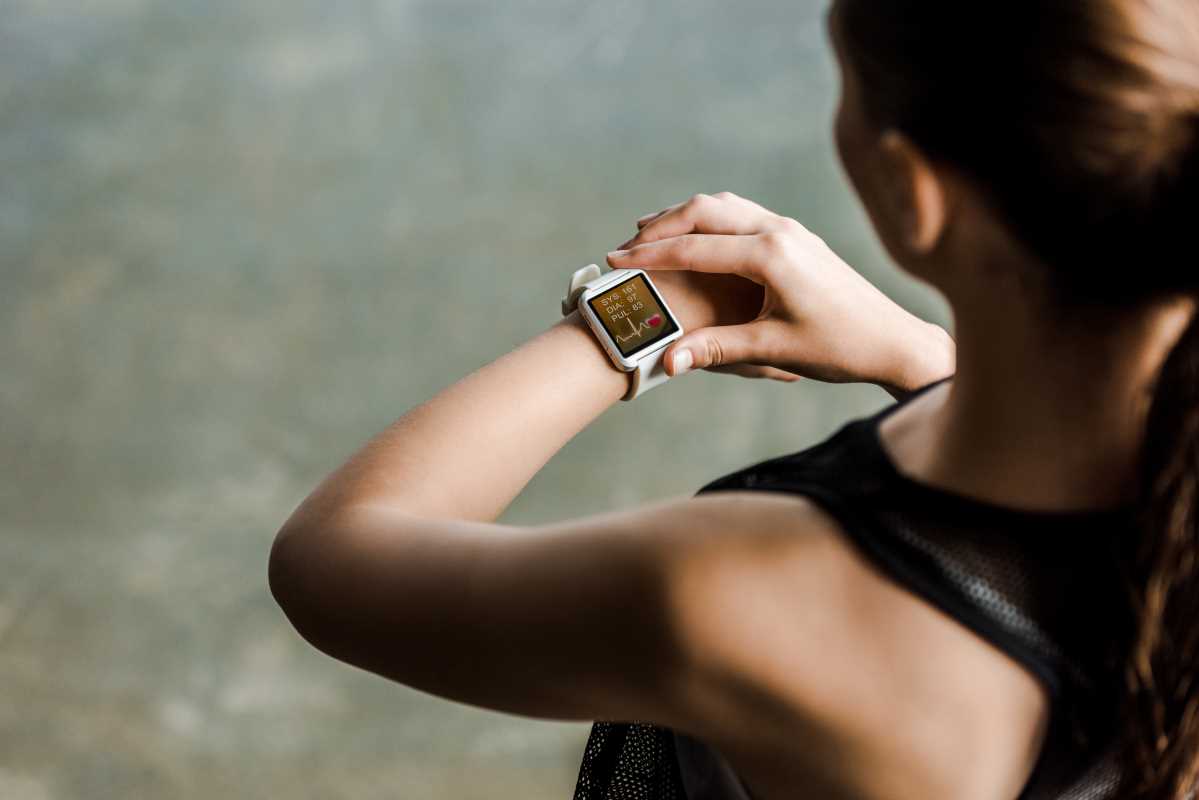
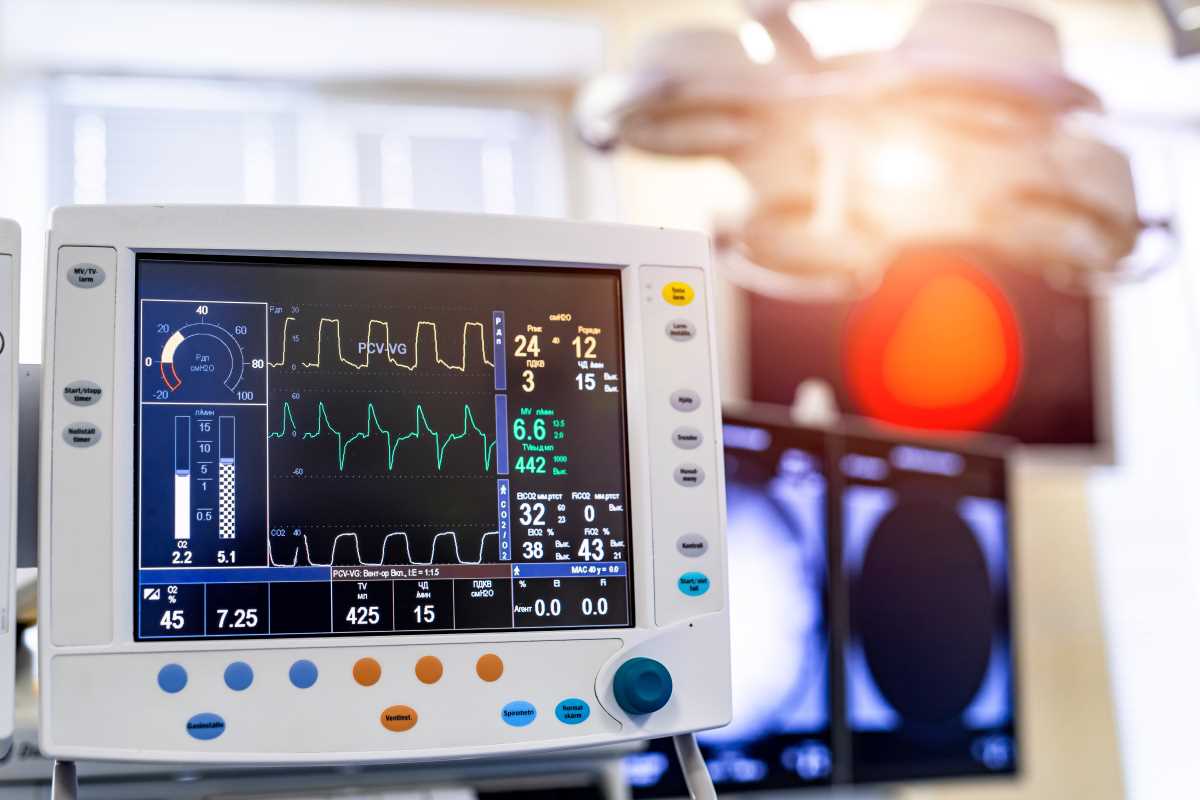
When you think of a medical device, your mind might jump to large, complex machines in a hospital, like an MRI or an X-ray machine. These are certainly important, but the world of medical devices is much broader and more personal than many people realize. It includes the smartwatch on your wrist that can take an ECG, the insulin pump that helps a person with diabetes manage their blood sugar, and even the advanced prosthetics that allow someone to regain their mobility. These devices are quietly revolutionizing healthcare by moving it out of the hospital and into our daily lives. They provide doctors with better information, give patients more control over their health, and ultimately lead to better outcomes. This technology is changing the way we monitor, diagnose, and treat conditions, making healthcare more personalized and effective.
Remote Patient Monitoring
One of the most significant shifts in modern medicine is the ability to monitor a patient's health from a distance. Remote patient monitoring (RPM) uses devices that collect health data from a patient at home and securely transmit it to their healthcare provider. This gives doctors a continuous view of a patient’s condition, rather than relying on the snapshot they get during a brief office visit.
Consider someone with high blood pressure. In the past, their doctor would only know their blood pressure reading from the few times a year they came into the clinic. Now, a patient can use a connected blood pressure cuff at home. This device automatically sends daily readings to their doctor's office. If the readings start to trend upward, the medical team can intervene early, perhaps by adjusting medication, before the high blood pressure leads to a more serious event like a heart attack or stroke. This constant stream of data allows for proactive care instead of reactive treatment. Other common RPM devices include smart scales for heart failure patients to track fluid retention and pulse oximeters for individuals with respiratory conditions.
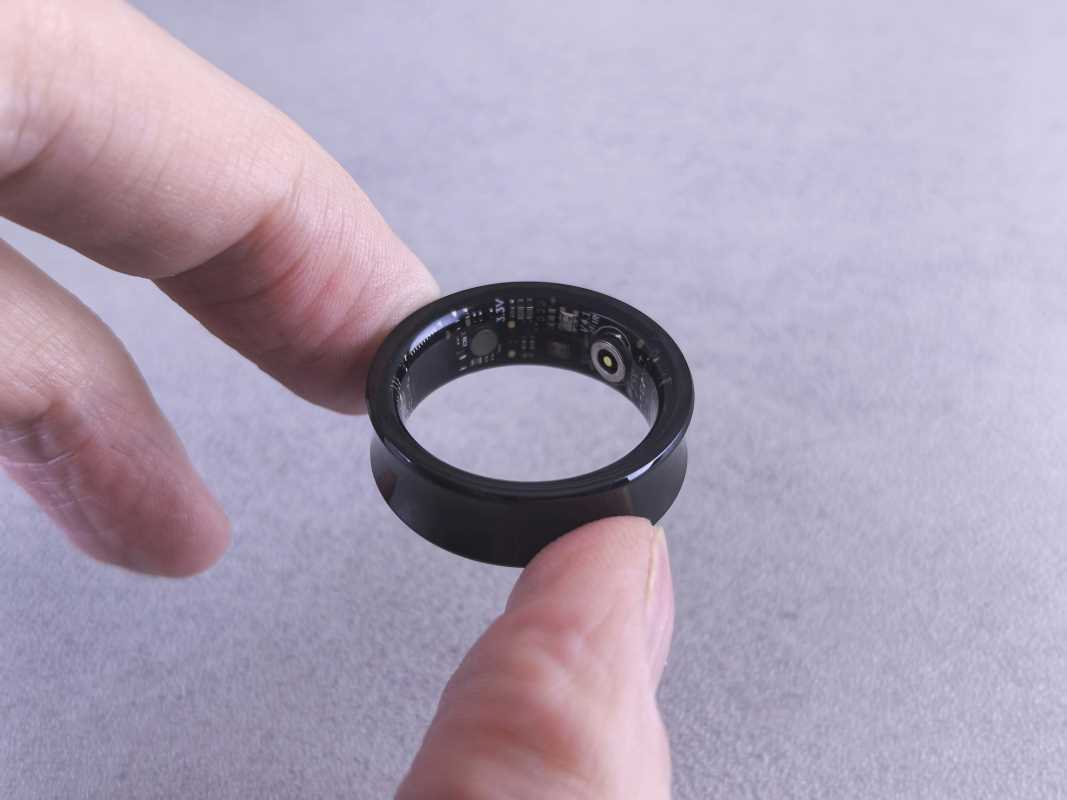
Wearables and Implantable Devices
Beyond monitoring, medical devices are also transforming how treatments are delivered. They are making therapies more precise, personalized, and convenient for patients, which can dramatically improve their quality of life.
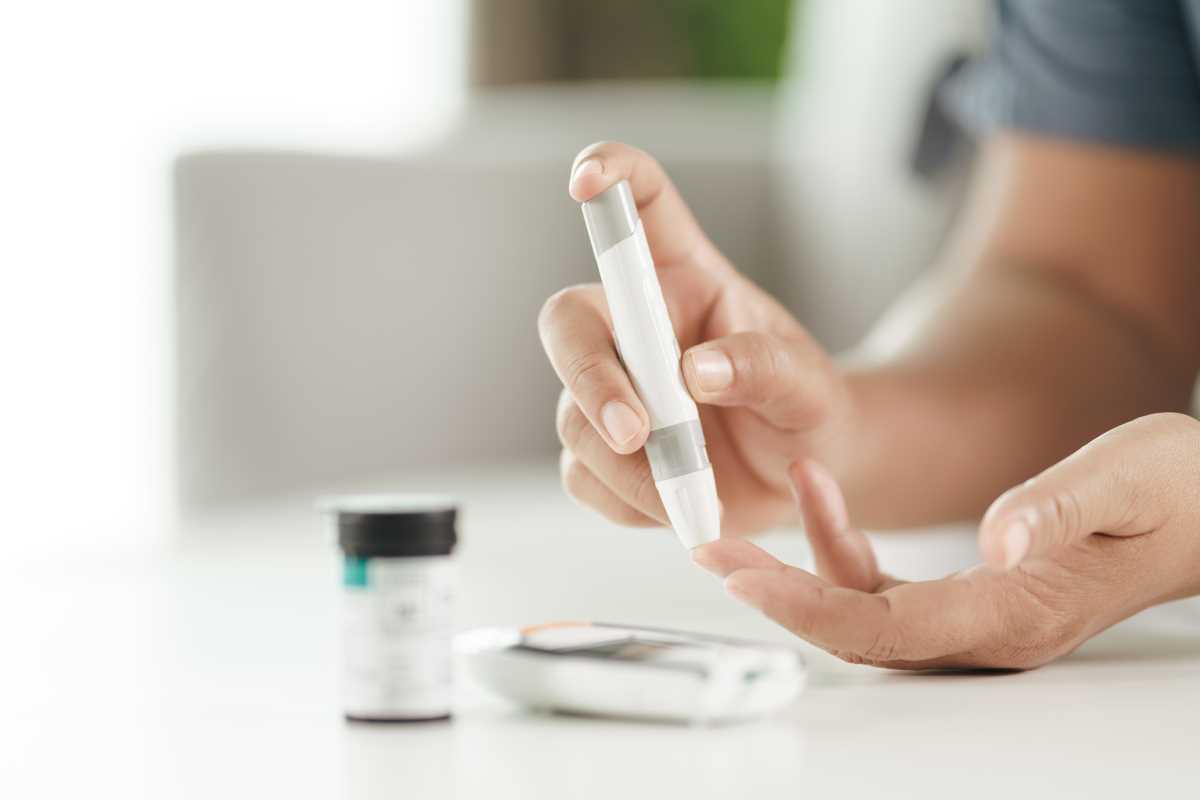
The insulin pump is a perfect illustration of this. For people with Type 1 diabetes, managing blood sugar used to involve multiple daily finger pricks and insulin injections. An insulin pump is a small, computerized device that delivers a steady, continuous dose of insulin throughout the day. Many modern pumps are now part of a "closed-loop" system, connected to a continuous glucose monitor (CGM). The CGM tracks blood sugar levels in real-time and tells the pump to automatically adjust the insulin dose up or down. This technology acts like an artificial pancreas, helping to keep blood sugar levels stable and reducing the daily burden of managing the disease.
Another remarkable area is in cardiology. Implantable cardioverter-defibrillators (ICDs) are small devices placed in the chest of patients at high risk for sudden cardiac arrest. The ICD monitors the heart's rhythm continuously. If it detects a dangerously fast and irregular heartbeat, it delivers a life-saving electrical shock to restore a normal rhythm. This device provides a constant safety net, offering peace of mind and preventing fatal events.
Restoring Function and Mobility
Medical devices are also making incredible strides in helping people recover from injury or manage physical disabilities. Advanced prosthetics are changing what is possible for individuals who have lost a limb. Modern prosthetic legs, for instance, use microprocessors to analyze a person’s walking pattern in real-time. They can adjust the mechanics of the knee and ankle joints dozens of times per second, allowing for a much smoother, more natural gait. This enables users to walk on uneven ground, climb stairs with more confidence, and live a more active life.
Similarly, cochlear implants have provided a sense of sound to people who are profoundly deaf or severely hard-of-hearing. Unlike a hearing aid, which just amplifies sound, a cochlear implant bypasses the damaged parts of the ear and directly stimulates the auditory nerve. The device consists of an external part that picks up sound and an internal part that was surgically implanted. For many, this device can make the difference between hearing nothing and being able to understand speech and communicate with the world around them.
The Future of Medical Devices
The field of medical technology is constantly advancing. We are seeing the development of even smaller, more intelligent, and less invasive devices. "Smart pills" that can be swallowed to take pictures of the inside of the digestive tract are already in use, offering a less invasive alternative to traditional endoscopy for some conditions. Researchers are also working on biosensors that can be worn on the skin like a temporary tattoo to monitor various health markers, from hydration levels to glucose. As technology continues to improve, these devices will become even more integrated into our lives, providing more data, more convenience, and more control over our personal health.
.jpg)