 (Image via
Menopause is one of those biological milestones that half the population will eventually experience, yet it is often shrouded in mystery or discussed in hushed tones. It is not just a single event where your period stops one day and that’s it. Instead, it is a significant transition that unfolds over several years, affecting everything from your sleep schedule to your mood and your body temperature. For many women, this time can feel confusing and isolating. You might wonder why you are suddenly sweating in the middle of a winter night or why you feel irritable for no clear reason. Understanding what is happening inside your body is the first step to feeling better. It is important to know that you don't have to just "grit your teeth and bear it." There are many ways to manage these changes, ranging from simple daily habits to medical treatments, all designed to help you navigate this new chapter with comfort and confidence.
What is Actually Happening?
Biologically speaking, menopause marks the end of your reproductive years. It is officially diagnosed when you have gone 12 consecutive months without a menstrual period. But the symptoms usually start long before that, during a phase called perimenopause. This transition can last anywhere from a few years to a decade.
During this time, your ovaries begin to produce less estrogen and progesterone. These are the hormones that regulate your menstrual cycle, but they do a lot of other jobs too. Estrogen, in particular, affects your brain, skin, bones, and heart. When these hormone levels start to fluctuate wildly and eventually drop, your body has to adjust to a "new normal." It is this adjustment period that causes the rollercoaster of symptoms many women experience.
The Physical Rollercoaster
The most famous symptom of menopause is the hot flash. One minute you are fine, and the next, you feel an intense wave of heat spreading over your upper body and face. You might sweat profusely and then feel chilled as the sweat dries. Night sweats are simply hot flashes that happen while you sleep, often drenching your pajamas and sheets, which ruins a good night's rest.
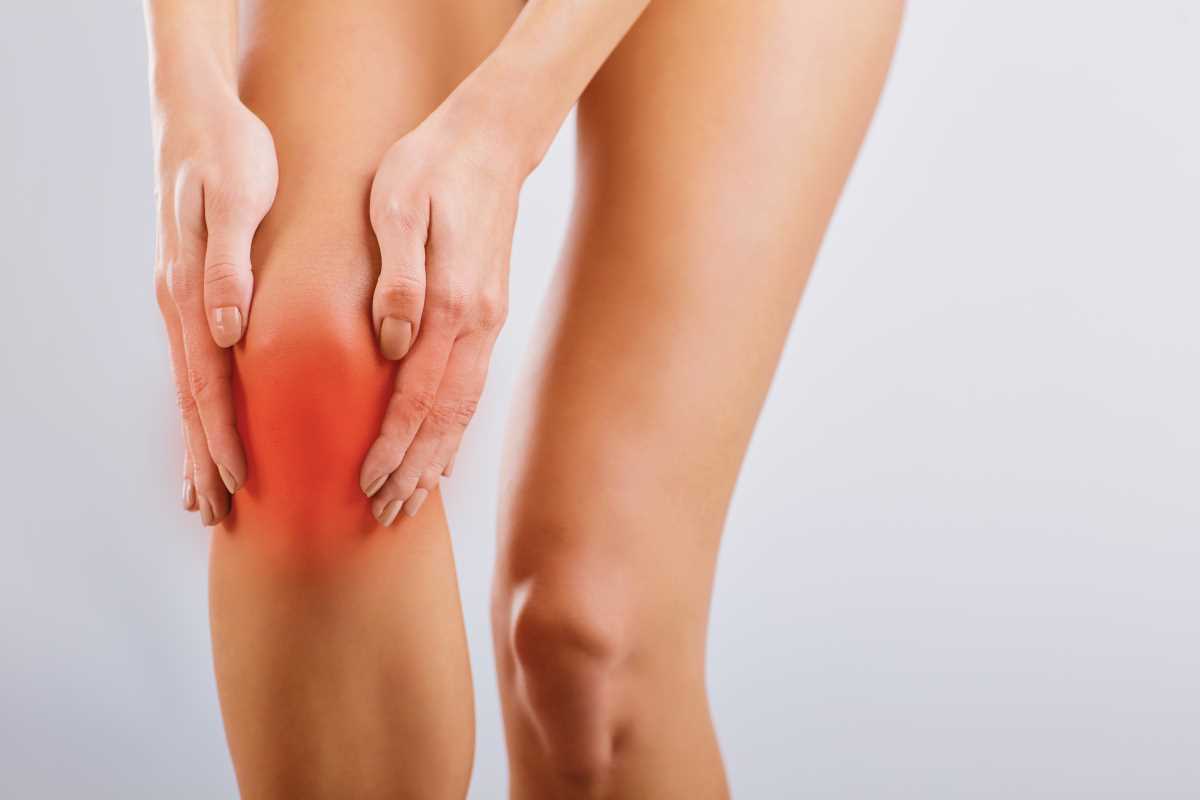
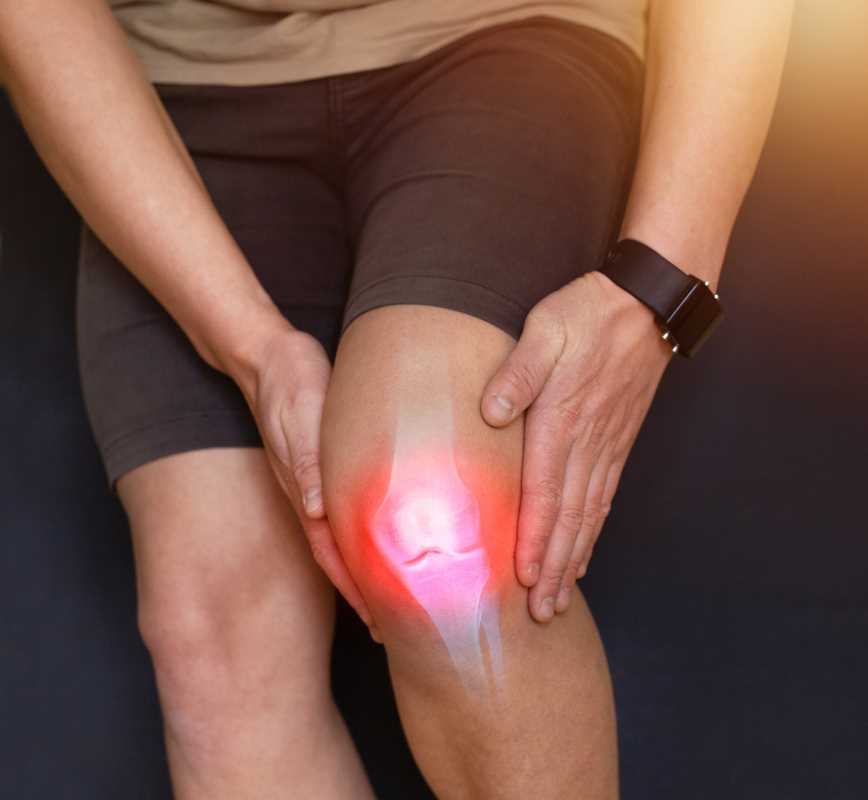
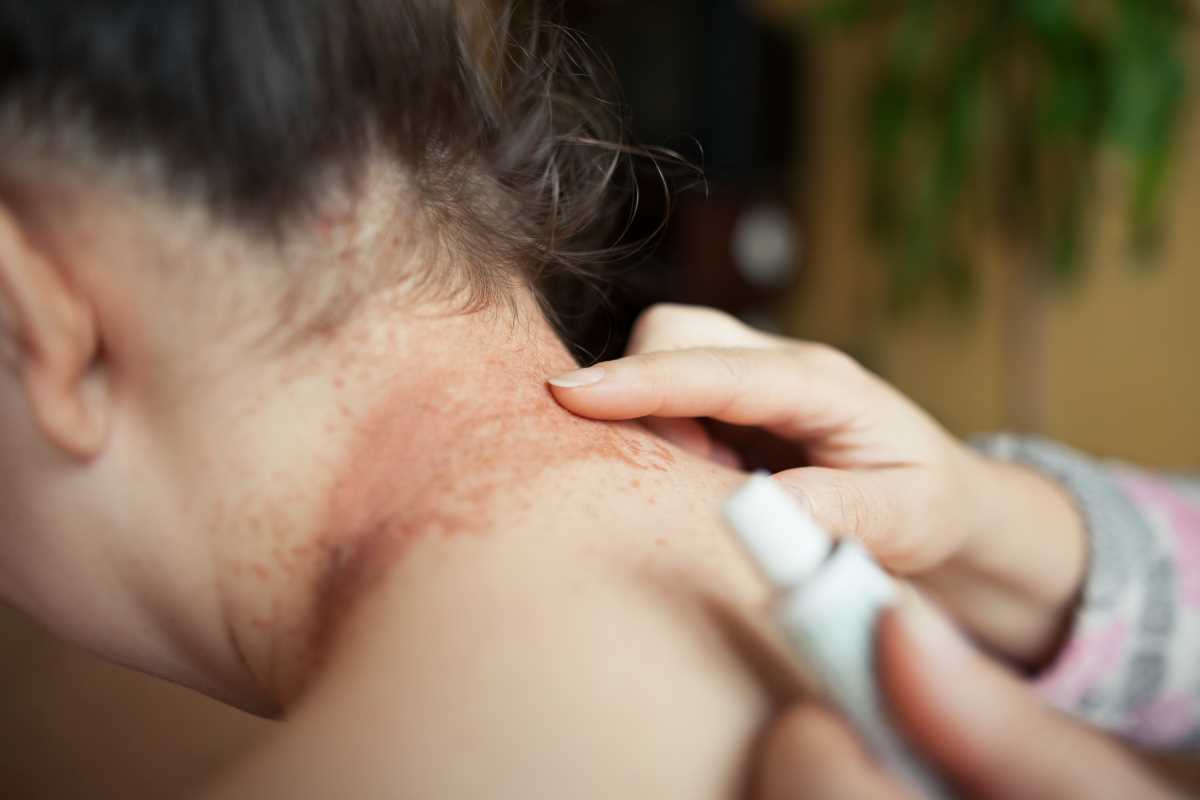
But the physical changes go beyond heat. Many women notice changes in their sleep patterns, finding it hard to fall asleep or stay asleep. You might also experience vaginal dryness, which can make intimacy painful. Some women notice their hair thinning or their skin becoming drier. Metabolism also tends to slow down, leading to weight gain, particularly around the midsection. Joint aches and pains can also become more common as estrogen levels dip, affecting inflammation in the body.
The Emotional Impact
Menopause isn't just physical; it takes a toll on your emotions too. The hormonal fluctuations can mess with your brain chemistry, leading to mood swings that feel a lot like PMS, but more intense. You might feel irritable, anxious, or sad without a clear trigger.
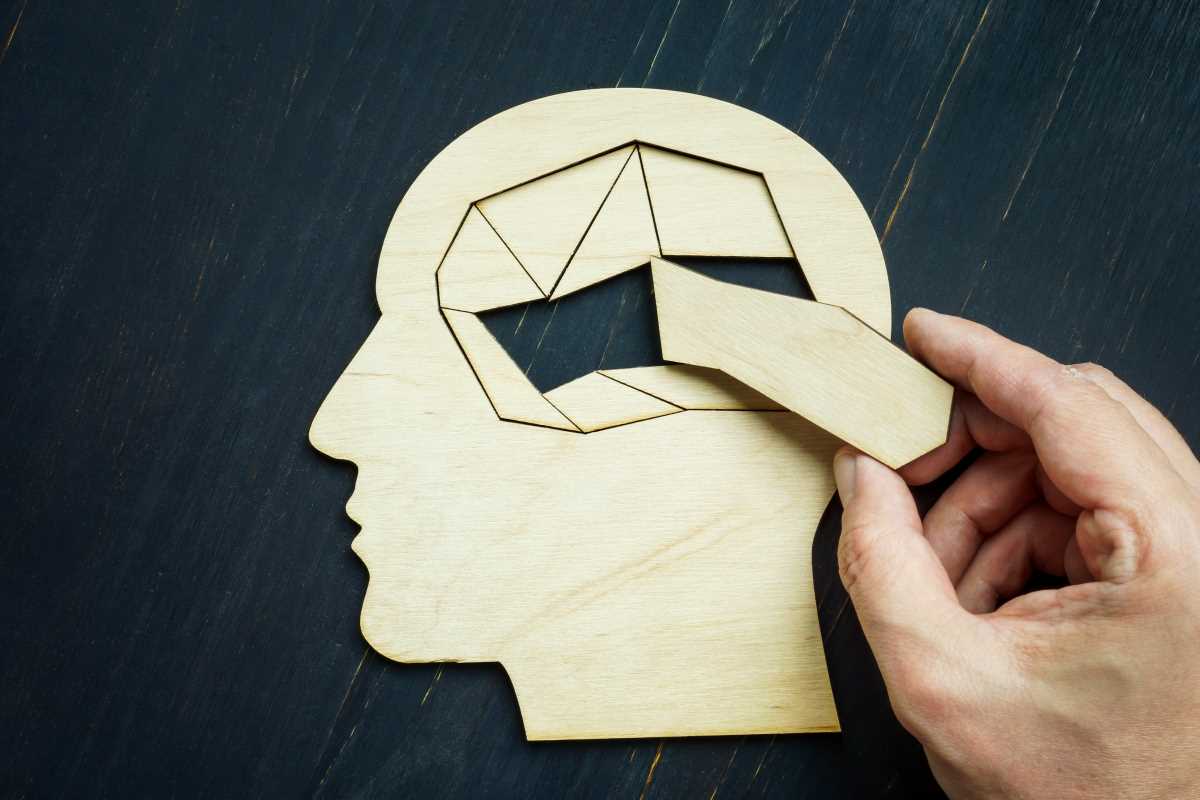
"Brain fog" is another common complaint. You might walk into a room and forget why you are there, or struggle to find the right word in a conversation. This isn't a sign of dementia; it is a temporary side effect of the hormonal shifts affecting the brain's focus and memory centers. Feeling forgetful can be scary, but knowing it is a common part of the process can be reassuring.
Lifestyle Adjustments for Daily Comfort
You don't always need a prescription to find relief. Small changes to your daily routine can make a big difference in how you feel.
- Cooling Down: Dress in layers so you can peel them off when a hot flash hits. Keep a portable fan on your desk and use breathable cotton sheets on your bed. Sipping cold water throughout the day can also help regulate your temperature.
- Moving Your Body: Regular exercise is a powerhouse during menopause. It helps manage weight, improves sleep, and boosts mood by releasing endorphins. It also strengthens your bones, which is crucial since the risk of osteoporosis increases after menopause.
- Watching Your Diet: Spicy foods, caffeine, and alcohol are known triggers for hot flashes in many women. Paying attention to what you eat and cutting back on these triggers can reduce the frequency of your symptoms. Adding foods rich in calcium and vitamin D will support your bone health.
- Stress Management: Stress can make symptoms worse. Practices like yoga, deep breathing exercises, or just taking time to read a book can help calm your nervous system.
Hormone Replacement Therapy (HRT)
For women with severe symptoms that disrupt their quality of life, Hormone Replacement Therapy (HRT) can be a game-changer. HRT involves taking medication that contains female hormones to replace the ones your body is no longer making.
Systemic hormone therapy (pills, patches, gels) circulates throughout the blood and is the most effective treatment for relief of troublesome hot flashes and night sweats. It can also help prevent bone loss. However, HRT isn't for everyone. It carries certain risks depending on your age, family history, and personal health history. It is vital to have a detailed conversation with your doctor to weigh the benefits against the risks for your specific situation.
Non-Hormonal Medical Options
If HRT isn't right for you, there are other medical options. Surprisingly, low doses of certain antidepressants have been found to decrease hot flashes effectively, even for women who aren't depressed. Drugs specifically designed to treat nerve pain or high blood pressure can also offer relief from vasomotor symptoms (hot flashes and night sweats) for some women. Recently, the FDA approved a new class of non-hormonal drugs specifically designed to target the brain's temperature control center to stop hot flashes before they start.
.png)