 (Image via
Most people have experienced a headache at some point. Maybe it’s a dull ache from staring at a screen too long or a pounding sensation from stress. You take a pain reliever, rest for a bit, and usually, it fades away. A migraine, however, is an entirely different beast. It is not just a "bad headache"; it is a complex neurological event that can bring your entire life to a screeching halt. A migraine attack can involve debilitating, throbbing pain, but it often comes with a whole host of other symptoms, like extreme sensitivity to light and sound, nausea, and even visual disturbances. For those who experience them, migraines can be unpredictable and incredibly disruptive. The key to managing them often lies in becoming a detective in your own life—learning to spot the patterns and identify the triggers that set off an attack.
More Than Just a Headache: The Phases of a Migraine
Understanding that a migraine is a multi-stage event can help you recognize one early and take action. Not everyone experiences every phase, but a typical attack can unfold over several hours or even days.
1. The Prodrome Phase (The Subtle Warning)
This is the "pre-migraine" phase, which can start hours or a day before the actual head pain begins. The symptoms are often vague and easy to dismiss. You might experience unexplained mood changes, feeling either very energetic or very down. Other common signs include food cravings, neck stiffness, frequent yawning, or needing to urinate more often. Recognizing your personal prodrome symptoms can be a valuable early warning sign that a migraine is on its way.
2. The Aura Phase (The Sensory Disturbance)
About one-third of people with migraines experience an aura. This phase is characterized by temporary neurological symptoms that usually last from five minutes to an hour. The most common auras are visual. You might see flashing lights, zigzag lines, or blind spots in your vision. Other auras can affect your senses, causing tingling or numbness in your face or hands, or even difficulty speaking. While it can be frightening, an aura is typically harmless and serves as a clear signal that the headache phase is about to start.
3. The Headache Phase (The Attack)
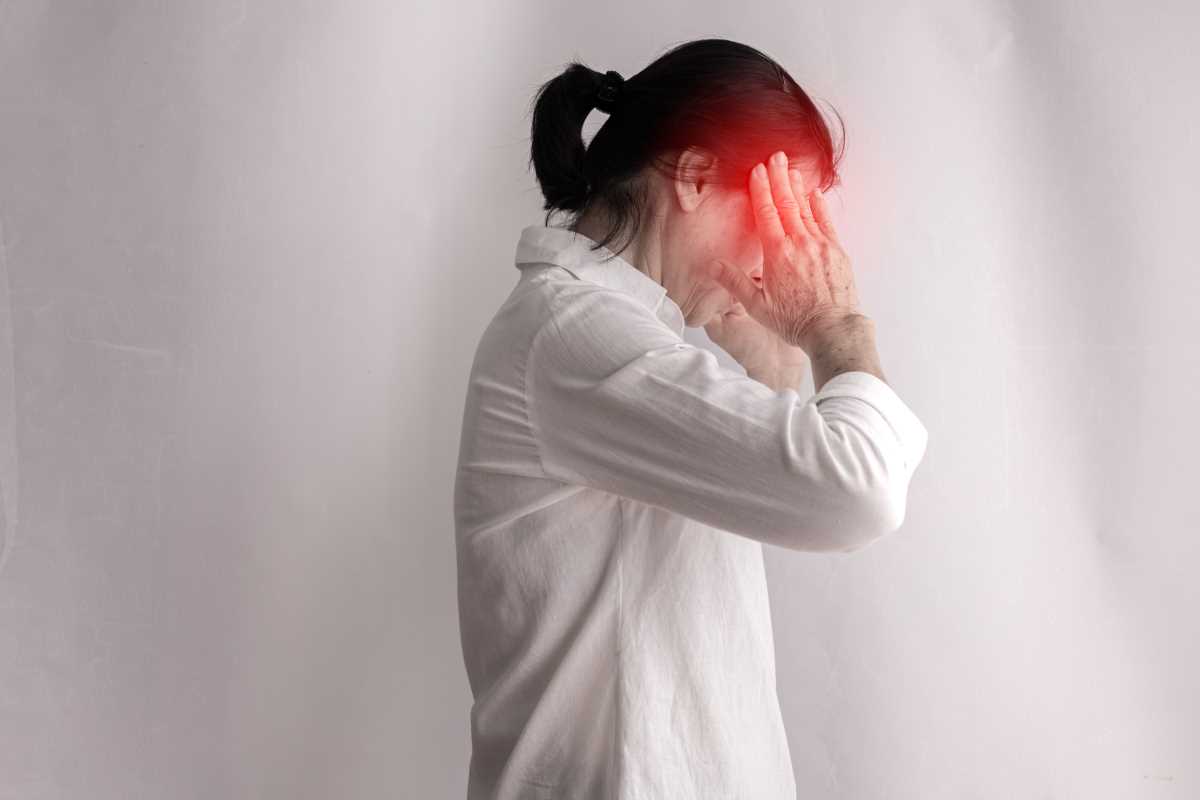
This is the part most people associate with a migraine. The pain is often described as a severe, throbbing or pulsing sensation, usually on one side of the head. But unlike a regular headache, the pain is just one piece of the puzzle. During this phase, you become extremely sensitive to your surroundings. Normal lights feel blindingly bright (photophobia), and everyday sounds can feel painfully loud (phonophobia). Many people also experience nausea and vomiting. Any physical activity, even just walking across a room, can make the pain worse. This phase can last anywhere from four hours to three long days.
4. The Postdrome Phase (The Migraine Hangover)
After the intense pain finally subsides, the "migraine hangover" begins. This phase can last for a day or two. You might feel completely drained, exhausted, and mentally foggy, almost like your brain is bruised. Some people feel a bit euphoric, but for most, it's a period of slow recovery as the body and mind get back to normal.
Hunting for Your Triggers
A migraine trigger is any factor that can set off an attack. Triggers are highly individual—what affects you might not affect someone else. They can also be cumulative. For example, a glass of wine might be fine on its own, but a glass of wine when you are stressed and haven't slept well could be the perfect storm for a migraine. Keeping a diary can help you spot your personal patterns.
Common Triggers to Watch For:
- Stress: This is one of the biggest culprits. The let-down after a stressful period is just as likely to trigger a migraine as the stress itself.
- Hormonal Changes: Many women experience migraines linked to their menstrual cycle. The drop in estrogen levels just before a period is a common trigger.
- Sleep Changes: Both too little sleep and too much sleep can set off an attack. Maintaining a consistent sleep schedule, even on weekends, is crucial.
- Dietary Triggers: Certain foods and drinks are known triggers for some people. These include aged cheeses, processed meats with nitrates, caffeine (both too much and withdrawal), alcohol (especially red wine), and artificial sweeteners like aspartame.
- Dehydration: Not drinking enough water is a simple but powerful trigger.
- Sensory Overload: Bright, flickering lights, loud noises, and strong smells (like perfume or cleaning products) can all initiate a migraine in a sensitive brain.
- Weather Changes: Shifts in barometric pressure, extreme heat, or bright, glaring sun can be unavoidable triggers for some individuals.
What You Can Do About It
While you can't cure migraines, you can take steps to manage them and reduce their frequency.
- Keep a Detailed Diary: For a few months, track everything: what you ate, how you slept, your stress levels, the weather, and when you got a migraine. This data is invaluable for identifying your personal triggers.
- Prioritize Consistency: The migraine brain loves routine. Try to eat your meals, go to bed, and wake up at roughly the same time every day. This helps keep your internal systems stable.
- Manage Stress: You can't eliminate stress, but you can manage your reaction to it. Incorporate relaxation techniques into your day, whether it's deep breathing, meditation, yoga, or simply spending time on a hobby you enjoy.
- Stay Hydrated: Carry a water bottle with you and sip throughout the day. Don't wait until you feel thirsty.
- Talk to Your Doctor: If your migraines are frequent and disruptive, don't try to manage them alone. A doctor can help you find the right combination of acute medications (to stop an attack in its tracks) and preventative medications (to reduce their frequency).
.png)