 (Image via
When you are living with osteoarthritis, every movement can feel like a negotiation. The chronic ache, stiffness, and swelling in your joints can make you want to do just one thing: stay still. It seems like a logical response—if moving hurts, then not moving should help, right? For years, rest was a common prescription for achy joints. However, we now know that this is one of the worst things you can do for osteoarthritis. Joints are designed to move, and a lack of motion can actually make the stiffness and pain worse over time. This is where movement therapy comes in. It’s a gentle, controlled approach to physical activity that focuses not on high-impact exercise, but on improving joint function, reducing pain, and restoring your ability to enjoy daily life. The old saying "motion is lotion" is more than just a catchy phrase; it is the fundamental principle that can help you manage your osteoarthritis and get back to doing the things you love.
What is Osteoarthritis and Why Does it Hurt?
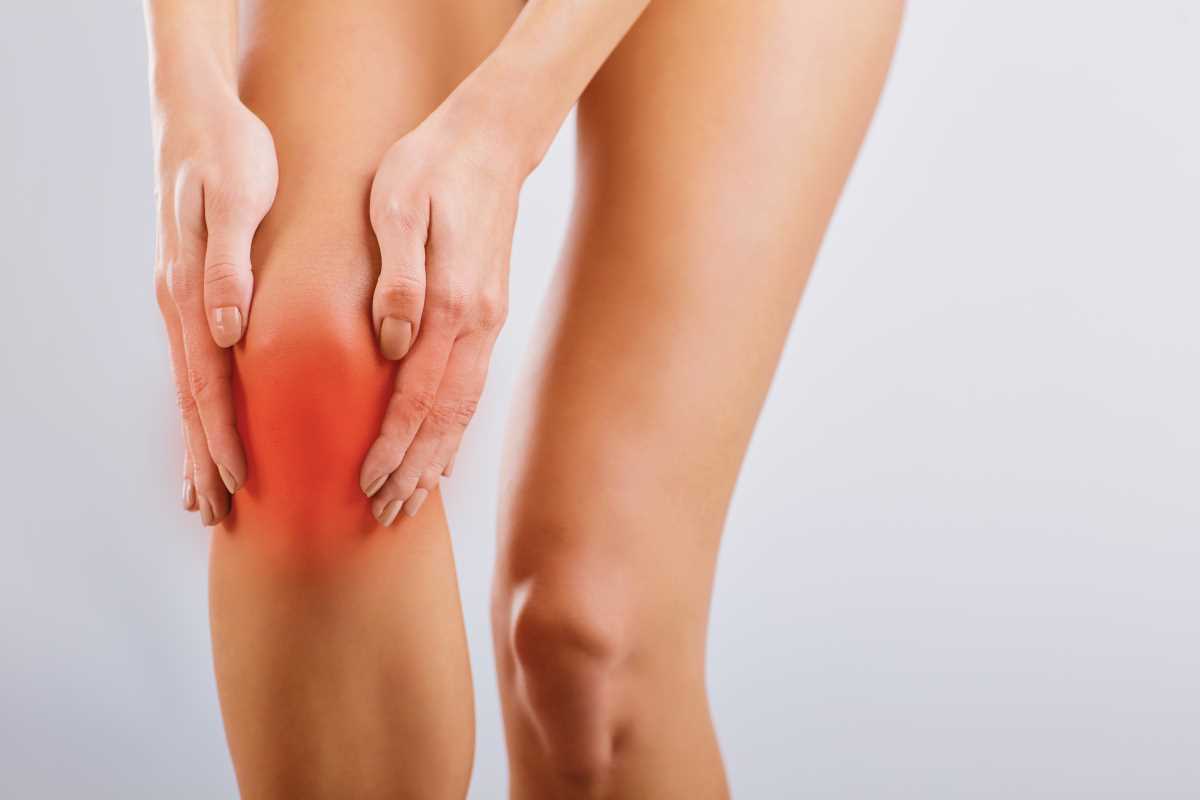
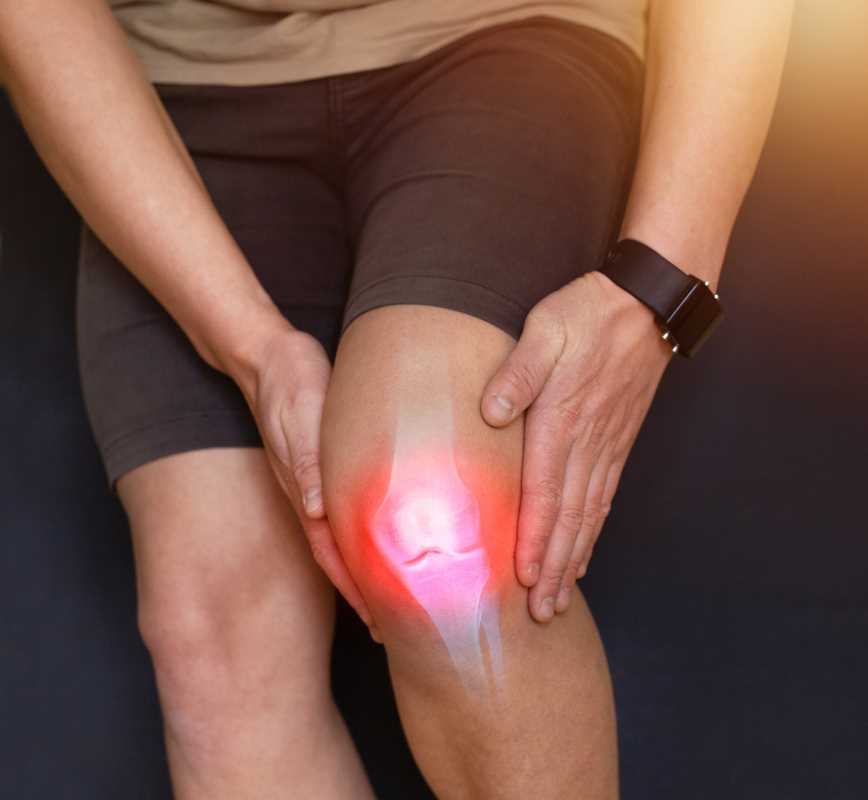
Osteoarthritis is the most common type of arthritis, often called "wear and tear" arthritis. It happens when the protective cartilage that cushions the ends of your bones wears down over time. Cartilage is a firm, slippery tissue that allows your joints to glide smoothly. When it deteriorates, bone can start to rub against bone, causing pain, stiffness, and inflammation.
The muscles and ligaments that support the joint also weaken, leading to instability. This creates a vicious cycle. The joint hurts, so you stop using it. When you stop using it, the muscles get weaker. When the muscles get weaker, the joint becomes less stable and hurts even more. Movement therapy aims to break this cycle.
Breaking the Cycle with Gentle Movement
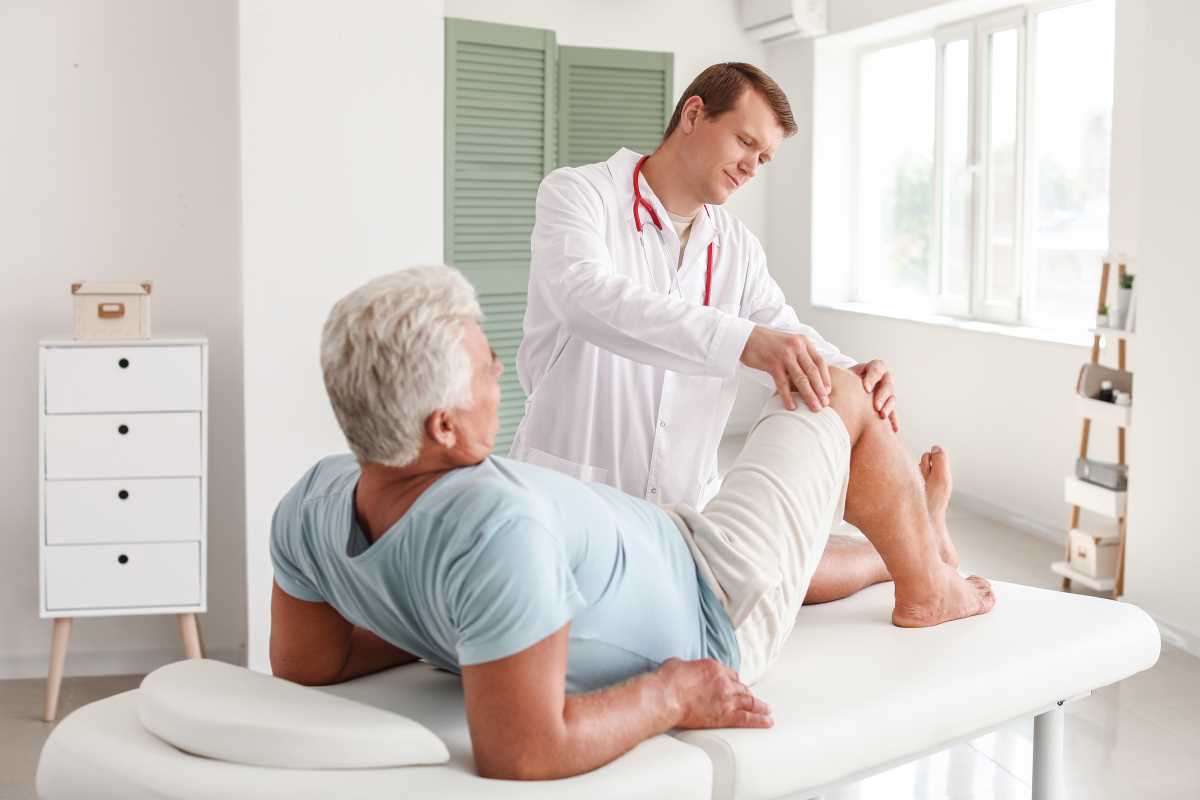
Movement therapy is not about running a marathon or lifting heavy weights. It is about reintroducing your body to safe, beneficial motion. The goal is to strengthen the muscles around the joint, improve your range of motion, and lubricate the joint itself. A qualified physical therapist or certified movement specialist can design a program tailored to your specific needs, but the core principles often include a combination of the following.
1. Range-of-Motion Exercises
These exercises are designed to take your joints through their full, natural path of movement. They are gentle and help reduce stiffness while improving flexibility. For example, if you have osteoarthritis in your knees, a simple range-of-motion exercise would be to sit in a chair and slowly extend your leg straight out, then bend it back down. For shoulders, you might perform slow, controlled arm circles. These movements help distribute synovial fluid—the body's natural joint lubricant—throughout the joint capsule, which can ease pain and improve function.
2. Strengthening Exercises
Weak muscles place more stress on your joints. Building up the muscles that support an arthritic joint is one of the most effective ways to reduce pain. For knee osteoarthritis, this means strengthening the quadriceps (front of the thigh) and hamstrings (back of the thigh). Stronger muscles act like a natural brace, absorbing shock and taking pressure off the joint itself.
These exercises don’t have to be strenuous. Simple bodyweight exercises like wall sits, straight leg raises, or using light resistance bands can be incredibly effective. The key is consistency and proper form to avoid putting any extra strain on the joint.
3. Low-Impact Aerobic Activity
Aerobic exercise is crucial for overall health, weight management, and mood, all of which are important for managing a chronic condition. High-impact activities like running or jumping can be painful for arthritic joints. Low-impact alternatives provide the same cardiovascular benefits without the jarring force.
Excellent low-impact options include:
- Swimming or Water Aerobics: Water supports your body weight, taking nearly all the pressure off your joints. The resistance of the water also helps build muscle.
- Cycling: Whether on a stationary bike or outdoors on a flat surface, cycling is a great way to get the knee and hip joints moving without the pounding of walking on hard pavement.
- Walking: A simple walk can be wonderful for your joints, as long as you wear supportive shoes and choose softer surfaces like a track or a trail when possible.
Mind-Body Therapies
Movement therapy also includes practices that connect the mind and body. These forms of exercise focus on body awareness, balance, and breathing, which can help manage pain in a different way.
- Tai Chi: This ancient Chinese practice involves slow, flowing movements combined with deep breathing. It has been studied extensively and is often called "meditation in motion." Research has shown that Tai Chi is highly effective at reducing pain and stiffness from osteoarthritis. It also significantly improves balance, which can help prevent falls—a major risk for people with unstable joints.
- Yoga: While some yoga poses can be too intense, a gentle or restorative yoga class can be very beneficial. A good instructor can help you modify poses with props like blocks and blankets to support your joints. Yoga helps improve flexibility, strength, and body awareness, and its focus on breathing and mindfulness can help change your perception of pain.
More Than Just Pain Relief
Committing to a movement therapy program does more than just help your joints. Maintaining a healthy weight is critical for managing osteoarthritis, as every extra pound puts several extra pounds of pressure on your knees and hips. Regular, gentle exercise helps with weight control, which in itself can dramatically reduce pain.
Furthermore, living with chronic pain can lead to feelings of frustration, anxiety, and depression. Exercise is a proven mood booster. The endorphins released during physical activity act as natural pain relievers and elevators of your mood. Reclaiming the ability to move freely can restore a sense of control and independence that osteoarthritis often takes away.
.png)