 (Image via
You go to bed exhausted, looking forward to eight hours of solid rest. You wake up the next morning feeling like you haven't slept at all. Your head is pounding, your throat is dry, and you feel a bone-deep exhaustion that no amount of coffee can seem to fix. For millions of people, this isn't just the result of one bad night—it's a daily reality. This crippling daytime fatigue is often the biggest clue that something is going wrong while you sleep. The culprit is frequently sleep apnea, a common yet serious disorder where your breathing repeatedly stops and starts all night long. It is far more than just loud snoring. These nighttime breathing interruptions can starve your brain and body of oxygen, leading to significant health problems and robbing you of the restorative sleep you desperately need.
What is Sleep Apnea?
Sleep apnea is a condition where your airway becomes blocked while you sleep, causing you to stop breathing for short periods. When you stop breathing, your brain senses the lack of oxygen and sends a panic signal to wake you up just enough to gasp for air. This can happen dozens, or even hundreds, of times per night.
The most common type is Obstructive Sleep Apnea (OSA). Think of your airway as a flexible straw. When you are awake, the muscles in your throat keep this straw open. But when you fall asleep, these muscles relax. In people with OSA, the muscles relax too much, allowing the soft tissues in the back of the throat—like the tongue and soft palate—to collapse and block the airway. Each time this happens, you stop breathing, until your brain jolts you awake to reopen the passage. You likely won't remember these awakenings, but they prevent you from ever reaching the deep, restful stages of sleep.
More Than Just Snoring
Loud, chronic snoring is the most famous sign of sleep apnea, but it is far from the only one. Many people with sleep apnea don't snore at all. It is important to look for a pattern of symptoms, both at night and during the day.
Nighttime Symptoms:
- Loud Snoring: Often so loud it can be heard from another room.
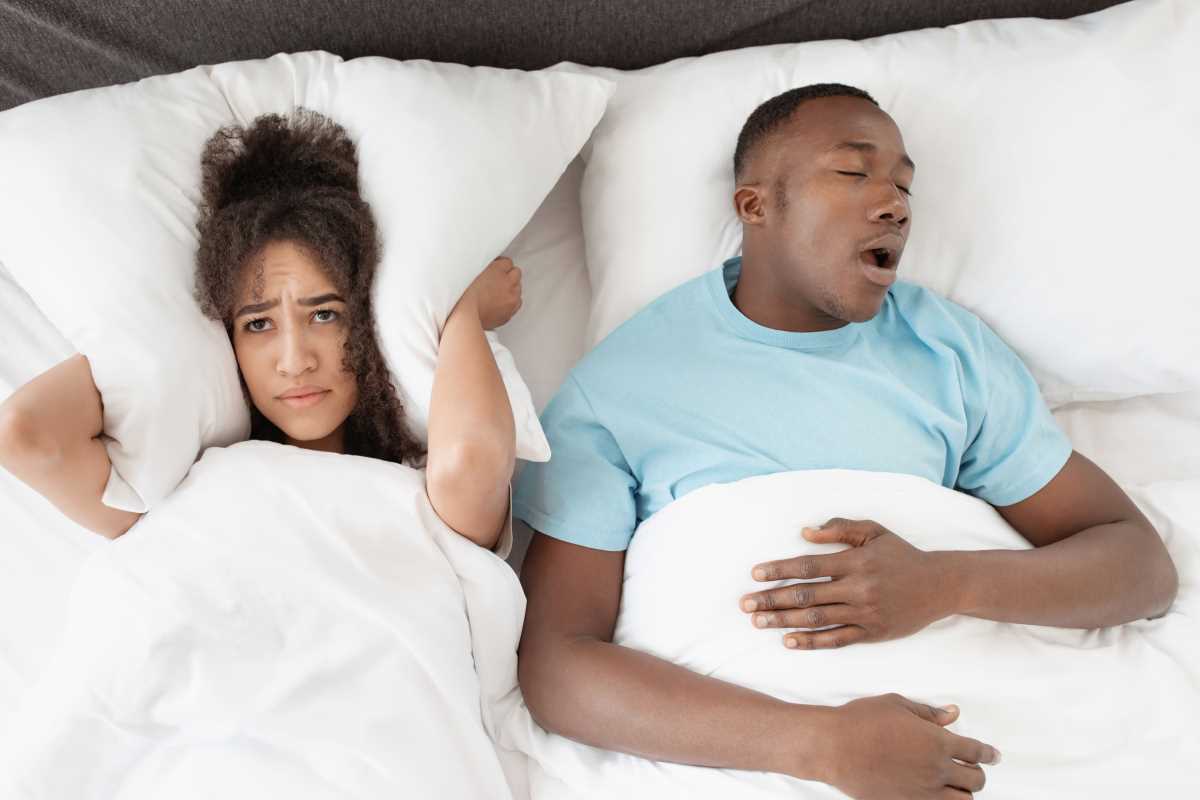
- Gasping or Choking: A bed partner might notice you making choking or snorting sounds as you gasp for air.
- Pauses in Breathing: A partner may observe moments where you stop breathing entirely.
- Frequent Waking: You might find yourself waking up often for no apparent reason or needing to go to the bathroom multiple times a night.
Daytime Symptoms:
- Excessive Daytime Sleepiness: This is the biggest red flag. You might fall asleep at your desk, while watching TV, or even while driving.
- Morning Headaches: The repeated drops in oxygen can cause throbbing headaches upon waking.
- Dry Mouth or Sore Throat: Breathing through your mouth all night to get more air can leave your throat feeling raw.
- Irritability and Brain Fog: A lack of quality sleep makes it hard to concentrate, affects your memory, and can lead to mood swings and a short temper.
The Daily Impact of Poor Sleep
Living with untreated sleep apnea is like trying to run your life on an almost-empty battery. The constant exhaustion affects everything. At work or school, you might struggle to focus on tasks, leading to poor performance and mistakes. Your relationships can suffer because you are too tired to be present with loved ones or because your irritability pushes them away.
Perhaps the most immediate danger is the risk of falling asleep at the wheel. People with untreated sleep apnea have a much higher risk of being in a car accident. The condition steals your alertness, making simple daily activities potentially hazardous.
Why Treatment is Not Optional
The consequences of sleep apnea go far beyond feeling tired. Each time you stop breathing, your blood oxygen levels plummet and your blood pressure spikes. Over time, this puts immense strain on your heart and circulatory system. Untreated sleep apnea is strongly linked to a higher risk of:
- High Blood Pressure (Hypertension)
- Heart Attack
- Stroke
- Type 2 Diabetes
- Heart Failure
Ignoring sleep apnea isn't just ignoring bad sleep; it is ignoring a serious medical condition that can shorten your life.
Getting a Diagnosis and Finding Relief
If you suspect you have sleep apnea, the first step is to talk to your doctor. They will likely refer you for a sleep study, also known as a polysomnogram. This can be done overnight in a sleep lab or, in some cases, with a take-home kit. The study monitors your breathing, heart rate, oxygen levels, and brain waves to confirm a diagnosis and determine its severity.
The most common and effective treatment for moderate to severe sleep apnea is a Continuous Positive Airway Pressure (CPAP) machine.
- How it Works: A CPAP machine uses a small mask that fits over your nose or mouth. It delivers a gentle, steady stream of air that acts like a splint, keeping your airway open while you sleep. It doesn't breathe for you; it just prevents the collapse that causes the apnea events.
While a CPAP machine can take some getting used to, the results are often life-changing. Most people report feeling dramatically more rested and alert after just a few nights of use. For milder cases, other options might include custom-fit oral appliances that reposition your jaw or lifestyle changes like losing weight and avoiding alcohol before bed.
.png)