 (Image via
When most people think of depression, they picture a very specific image: someone staying in bed all day with the curtains drawn, crying uncontrollably, or unable to function. We see this version in movies and TV shows constantly. While that can certainly be reality for some, depression is often much sneakier than that. It is a master of disguise. It doesn't always announce itself with tears or obvious despair. Instead, it can creep into your life quietly, changing your personality, your body, and your habits in ways that don't immediately scream "mental health issue." You might still be going to work, cracking jokes with friends, and getting good grades, all while fighting an invisible battle inside. Recognizing these subtle, often overlooked signs is crucial because the sooner you spot them, the sooner you can get the support you need. It is about looking past the surface to understand what is really going on.
The Mask of "I'm Fine"
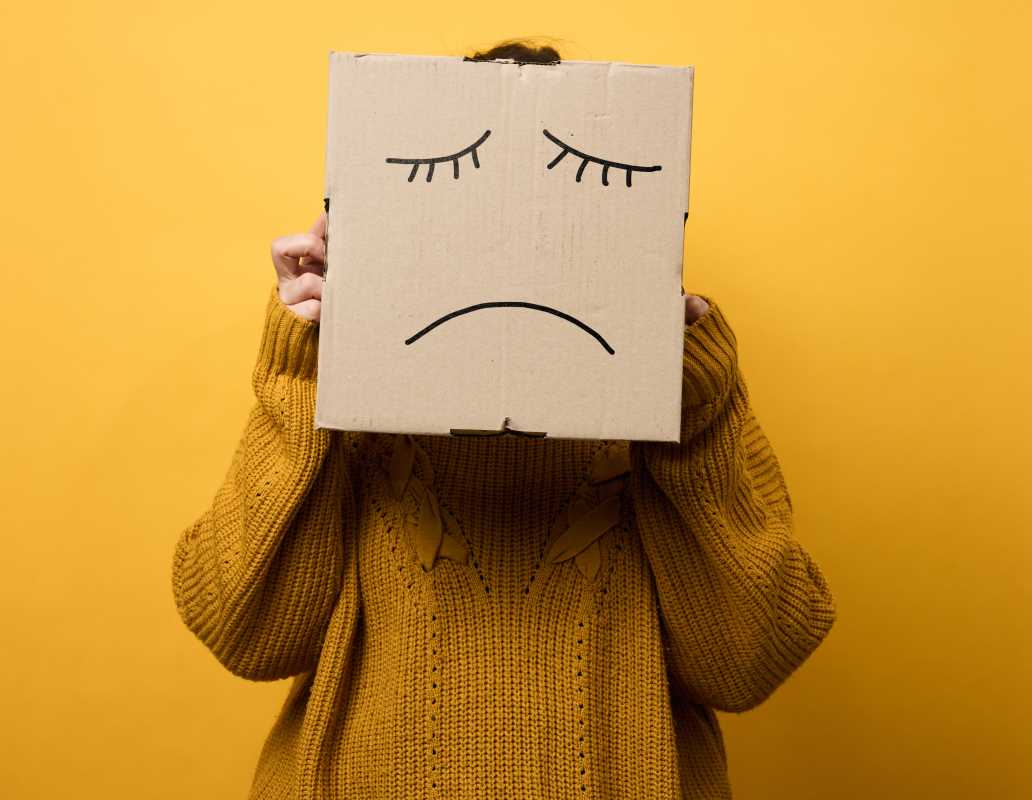
One of the most confusing aspects of depression is that a person can look totally normal on the outside. This is sometimes called "high-functioning depression" or "smiling depression." You might know someone who is the life of the party, the reliable coworker, or the straight-A student, yet they are suffering deeply.
People often develop coping mechanisms to mask their pain. They might use humor to deflect serious questions or throw themselves into their work to avoid having to think or feel. They put on a "happy face" for the world because they don't want to be a burden or because they are afraid of being judged. If you or someone you know seems to be performing happiness rather than feeling it, or if the mask drops the second they are alone, it could be a sign of hidden depression.
Physical Aches and Pains
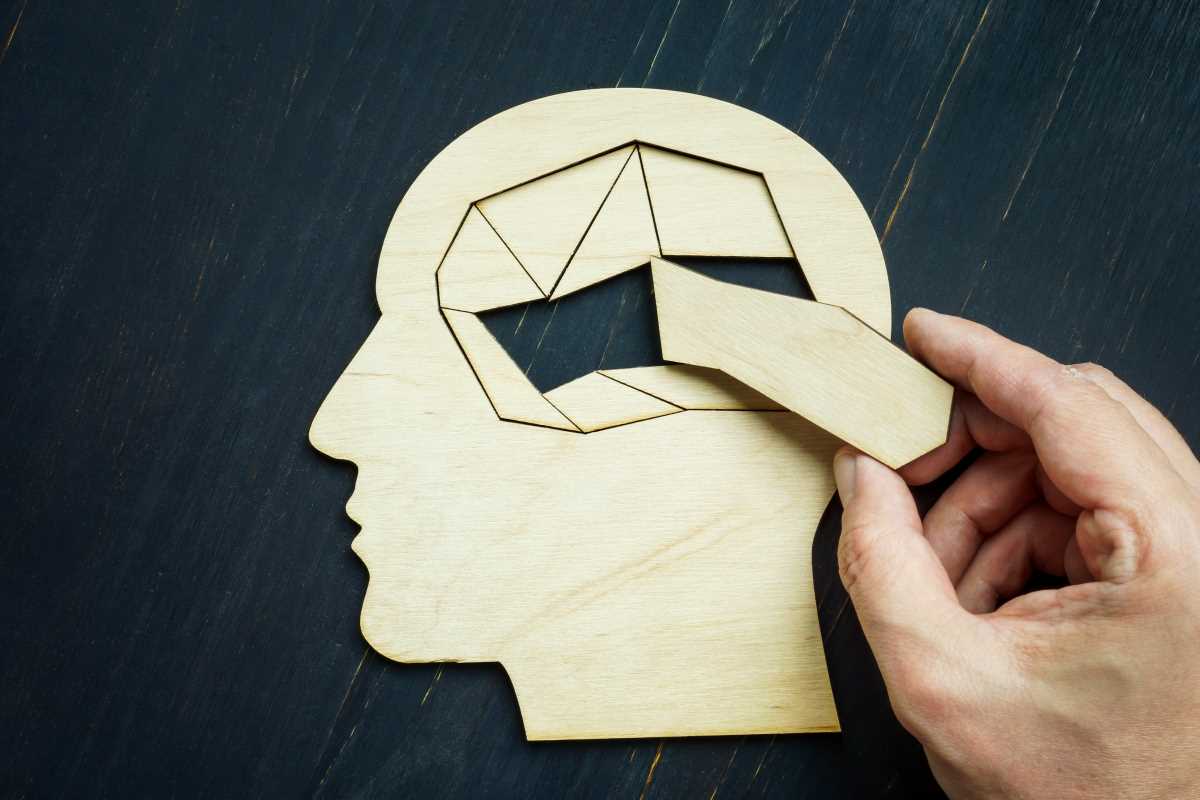
We tend to think of depression as existing strictly in the brain, but the brain and body are connected by a superhighway of nerves and chemicals. When your brain is struggling, your body often sends out distress signals.
Unexplained physical pain is a very common, yet frequently missed, symptom of depression. This can show up as:
- Back pain or muscle aches that don't seem to have a physical cause.
- Chronic headaches or migraines.
- Digestive issues like a queasy stomach or nausea.
Doctors and patients often chase these symptoms with tests and painkillers, never realizing the root cause is emotional. If you find yourself constantly feeling physically lousy without a clear medical reason, it might be your body's way of telling you that your mental health needs attention.
Irritability and a Short Fuse
Sadness isn't the only emotion associated with depression. In fact, for many people—especially men—depression manifests primarily as anger or irritability. You might find yourself snapping at your family over tiny mistakes, getting irrationally angry in traffic, or feeling a constant simmering frustration that you can't explain.
This happens because depression lowers your tolerance for stress. It wears down your emotional reserves, so you have no patience left for the little annoyances of daily life. If you feel like everyone around you is suddenly annoying or incompetent, take a step back. It might not be them; it might be depression talking.
Brain Fog and Indecision
Have you ever walked into a room and forgotten why you were there? Or stared at a menu for twenty minutes, completely unable to decide what to eat? While everyone has moments of forgetfulness, depression can cause a persistent "brain fog."
Depression affects the parts of the brain responsible for focus, memory, and decision-making. You might feel like your thinking speed has slowed down, like you are wading through molasses. Tasks that used to be easy, like answering an email or planning your weekend, suddenly feel overwhelming. You might read the same paragraph in a book three times and still not absorb it. This isn't laziness or a lack of intelligence; it is a symptom of executive dysfunction caused by the condition.
Changes in Sleep (Beyond Insomnia)
We often associate depression with not being able to sleep (insomnia). While staring at the ceiling at 3 A.M. is definitely a symptom, the opposite is also true. Sleeping too much, or hypersomnia, is a major red flag that often gets overlooked.
You might find yourself needing a nap every afternoon, struggling to wake up despite getting ten hours of sleep, or using sleep as an escape from reality. When you are asleep, you don't have to feel sad, anxious, or numb. If your bed has become your only safe haven and you are sleeping your life away, it is worth looking into why.
The Loss of Spark (Anhedonia)
There is a fancy medical word for this: anhedonia. It basically means the inability to feel pleasure. This is different from sadness. It is a feeling of emptiness or flatness.
Think about the things you usually love. Maybe it is playing video games, cooking, or hiking. If you have depression, you might still do these things out of habit, but you don't get any joy from them. It feels like "going through the motions." You might look at your favorite meal and feel nothing, or hang out with your best friend and feel bored or detached. This loss of interest is one of the most painful parts of depression because it steals the color from your life, leaving everything looking gray.
.png)