 (Image via
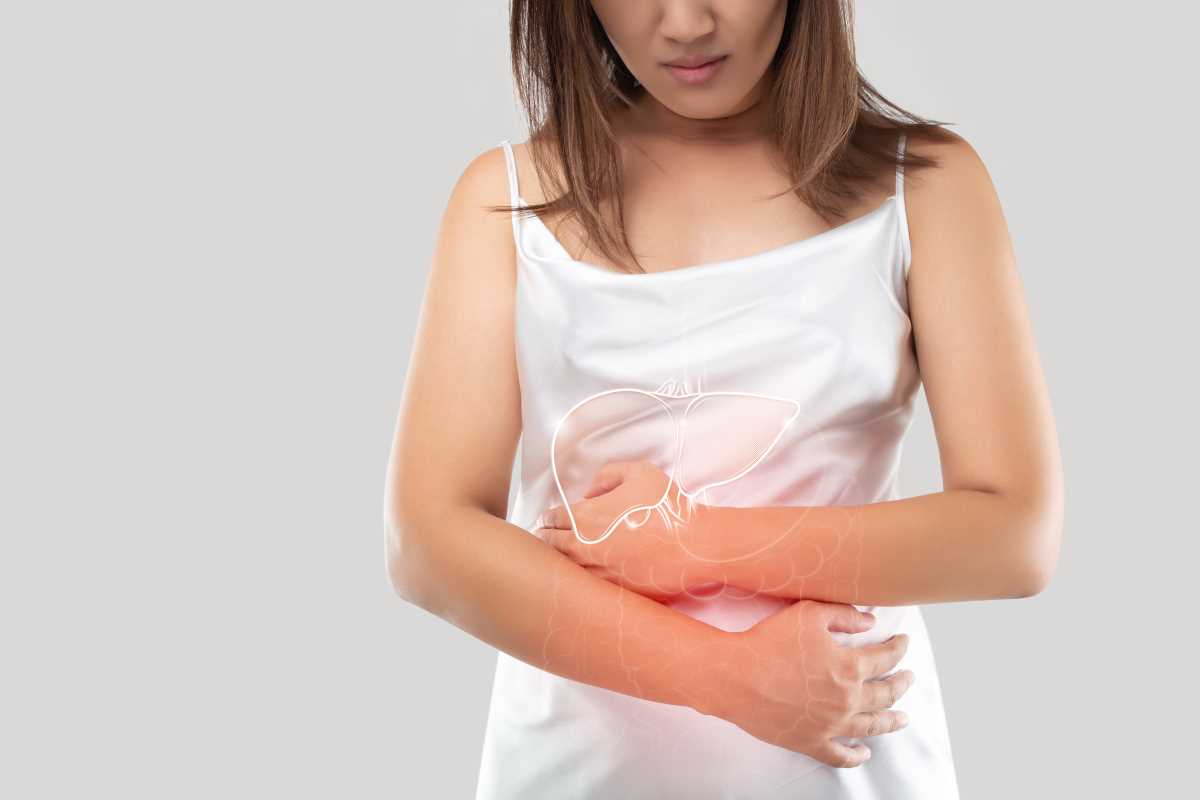
You probably don't think about your liver very often. Unlike your heart, which beats noticeably when you run, or your stomach, which growls when you're hungry, the liver is a quiet worker. It sits silently in your upper right abdomen, performing over 500 essential functions that keep you alive. It cleans your blood, helps digest your food, stores energy for later use, and even produces proteins that help your blood clot. It is essentially the body's ultimate multitasking factory. But just because it doesn't complain loudly doesn't mean it is invincible. In fact, your liver is incredibly sensitive to the choices you make every single day. While some liver diseases are genetic or caused by viruses, a huge number of liver problems are directly related to our lifestyle. From the food on our plates to the drinks in our glasses, our daily habits can either protect this vital organ or slowly damage it. Understanding this connection is the key to preventing serious health issues down the road.
The Alcohol Connection
When people hear "liver disease," the first thing that usually comes to mind is alcohol. It is well-known that heavy drinking damages the liver, but many people don't realize exactly how much—or how little—it takes to cause a problem.
When you drink alcohol, your liver has to break it down to remove it from your body. This process produces toxic chemicals that can injure liver cells. If you drink more than your liver can process, these toxins build up. Over time, this leads to inflammation and the accumulation of fat in the liver cells. This early stage is called alcoholic fatty liver disease.
The good news is that this early damage is often reversible. If you stop drinking, the liver can heal itself. However, if the drinking continues, the constant injury causes scar tissue to form. This scarring is called fibrosis. Eventually, if the scarring becomes severe and replaces healthy tissue, it turns into cirrhosis, which is permanent and can lead to liver failure. You don't have to be dependent on alcohol to damage your liver; even regular "binge drinking" on weekends can be harmful.
Non-Alcoholic Fatty Liver Disease (NAFLD)
While alcohol is a major factor, there is another type of liver disease becoming incredibly common, and it has nothing to do with drinking. It is called Non-Alcoholic Fatty Liver Disease (NAFLD). This condition happens when too much fat is stored in liver cells, and it is closely tied to what we eat and how much we move.
NAFLD is often called a "silent epidemic" because it usually has no symptoms in the early stages. You might feel a little tired or have a dull ache in your side, but often you won't feel anything at all. It is strongly linked to obesity, type 2 diabetes, and high cholesterol.
The main culprit here is the modern diet. Foods that are high in added sugars—especially high-fructose corn syrup found in soda and candy—and unhealthy fats put a massive strain on the liver. When we eat more calories than we burn, the liver turns the excess energy into fat. If it can't ship that fat out to other parts of the body fast enough, the fat stays in the liver. Just like with alcohol-related damage, this excess fat can cause inflammation and scarring over time.
The Role of Medication and Supplements
We often think of medicine as something that makes us better, but it is important to remember that almost everything we swallow has to be processed by the liver. This includes prescription drugs, over-the-counter painkillers, and even "natural" herbal supplements.
One of the most common risks is acetaminophen (Tylenol). It is safe when used correctly, but taking too much of it is a leading cause of sudden liver failure. This often happens accidentally when people take a pain pill for a headache and a cold medicine that also contains acetaminophen, unknowingly doubling their dose.
Herbal supplements are another tricky area. Just because something is natural doesn't mean it is safe for your liver. Supplements like kava, comfrey, and high doses of vitamin A have been linked to liver damage. It is always a smart move to tell your doctor about everything you are taking to ensure you aren't accidentally stressing your liver.
Practical Ways to Show Your Liver Some Love
Protecting your liver doesn't require a complicated detox plan or expensive juices. In fact, most "liver detox" products are unnecessary because a healthy liver cleans itself. The best way to help it is simply to stop overloading it with work. Here are some practical steps you can take:
1. Watch the Sugar Intake
Cut back on sugary drinks like soda, sports drinks, and sweetened teas. These are major contributors to fat buildup in the liver. Switching to water, black coffee, or unsweetened tea is one of the best things you can do. Interestingly, studies have shown that coffee (in moderation) may actually help protect the liver from disease.
2. Move Your Body
Exercise helps burn triglycerides (a type of fat) for fuel, which can reduce liver fat. You don't need to become a marathon runner. Aim for a mix of aerobic exercise, like brisk walking or cycling, and resistance training. Losing just 3% to 5% of your body weight can significantly reduce fat in the liver.
3. Be Mindful of Alcohol
If you choose to drink, do so in moderation. This generally means up to one drink a day for women and two for men. Giving your liver "days off" where you don't drink alcohol at all can also help it recover and function better.
4. Eat the Rainbow
Focus on a diet rich in fruits, vegetables, whole grains, and healthy fats like olive oil and nuts. The Mediterranean diet is often recommended by doctors for liver health because it is low in processed foods and high in fiber and healthy fats.
.png)